David –
Our road trip started in Salta, the capital of the region (also called Salta) and after Mendoza we expected it to be brown, small and quiet. We couldn’t have been more wrong – The city was huge, green and incredibly busy with local shoppers before the start of Lent. Of course we had to try more sensational steaks and Empanadas; baked in clay wood fired ovens, filled with a range of delicious ingredients – cheese, steak, salsa and one even had an incredible soup!
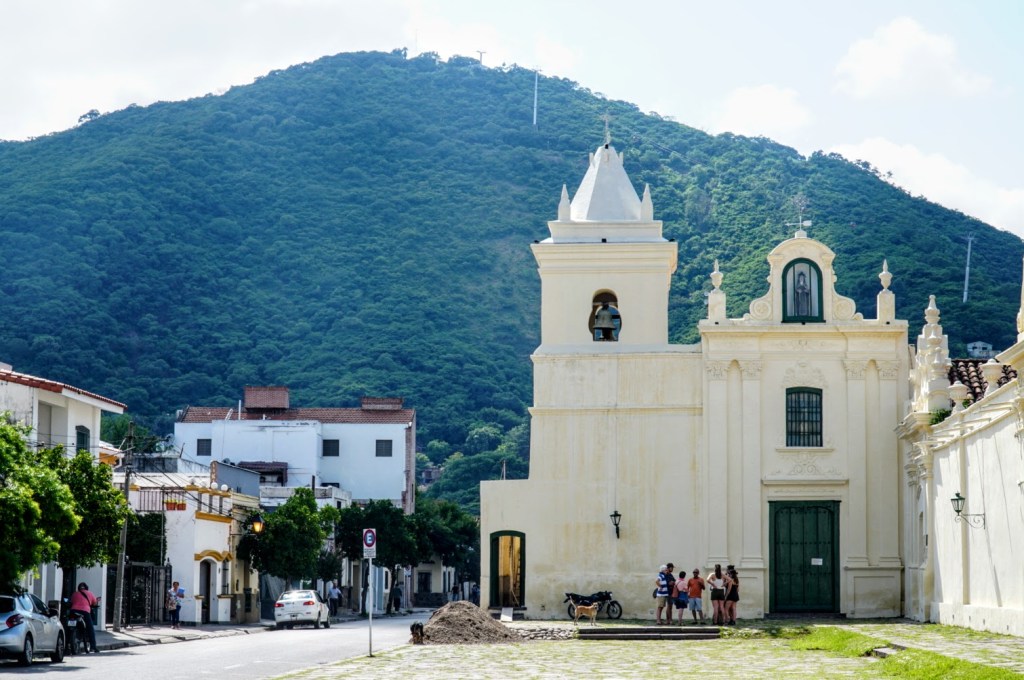
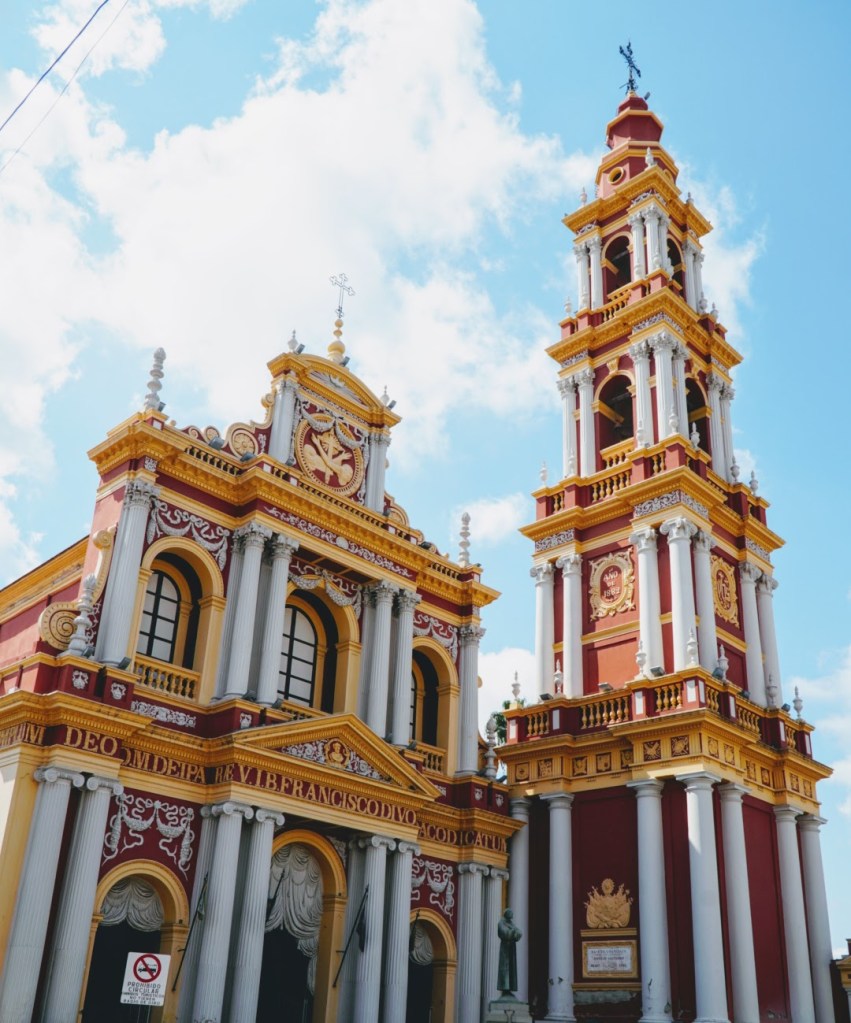
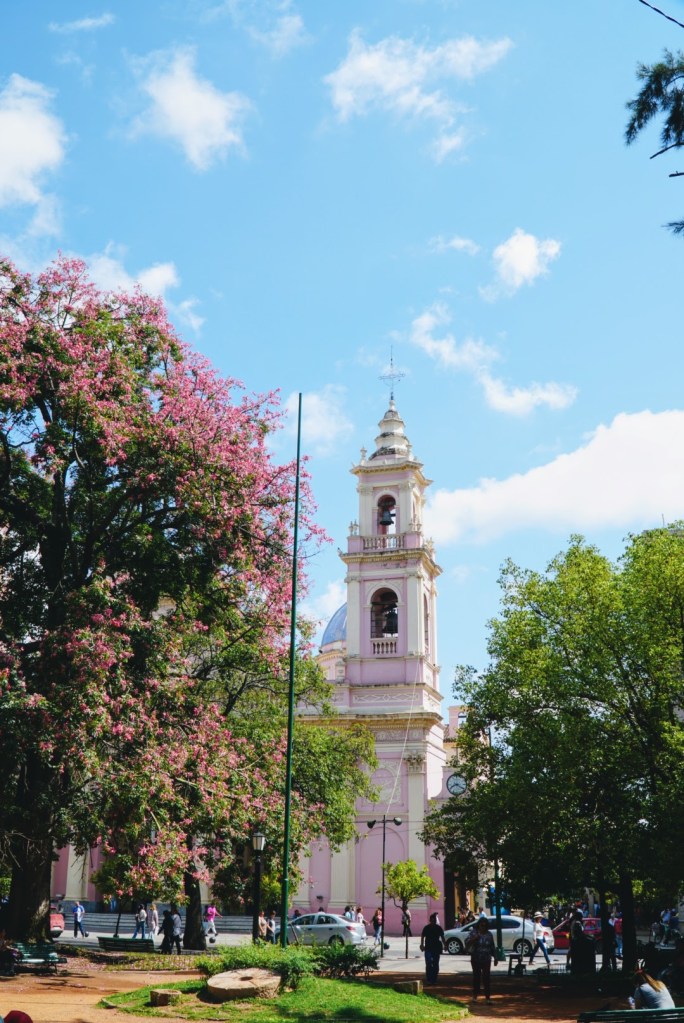
After only one night we had to farewell this charming city and travel north towards Boliva to the small town of Tilcara. The road twisted and turned its way north through a lush jungle mountain range and was no more than one car wide with a steep and precarious drop on Lauren’s passenger side…
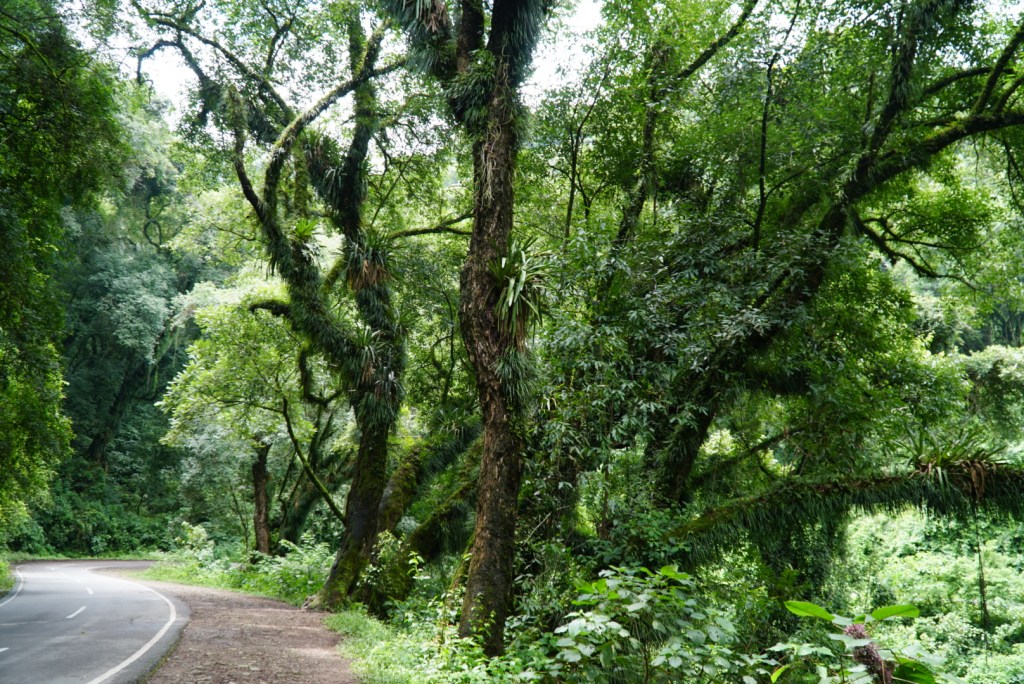
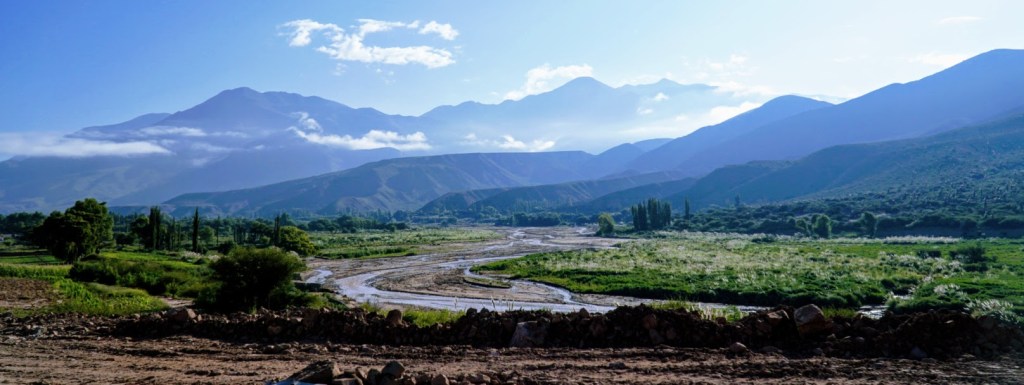
The drive was incredible yet from what we had read there was going to be 8 more days of mind blowing scenery. Eventually we re-joined the highway and as we did the dense green transformed in front of us. As the road climbed gradually higher, the jungle thinned, browned and eventually gave way to a totally different scene.
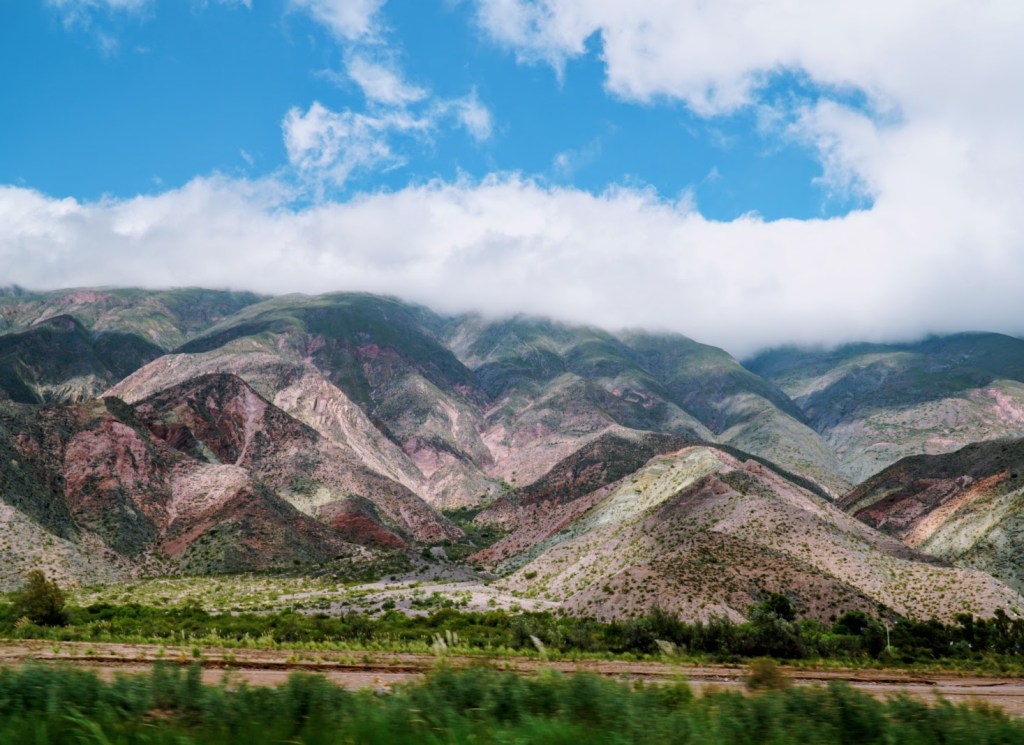
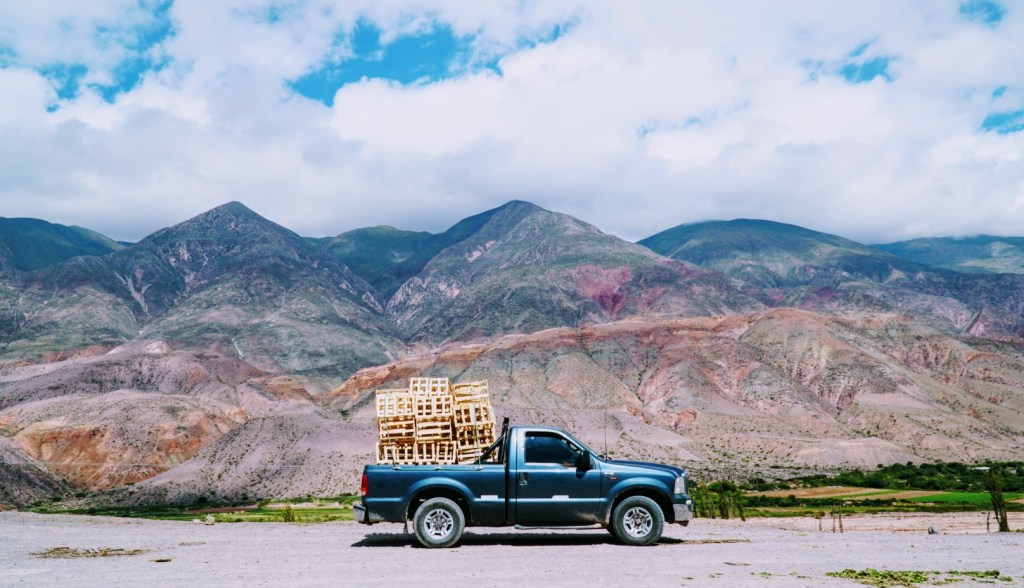
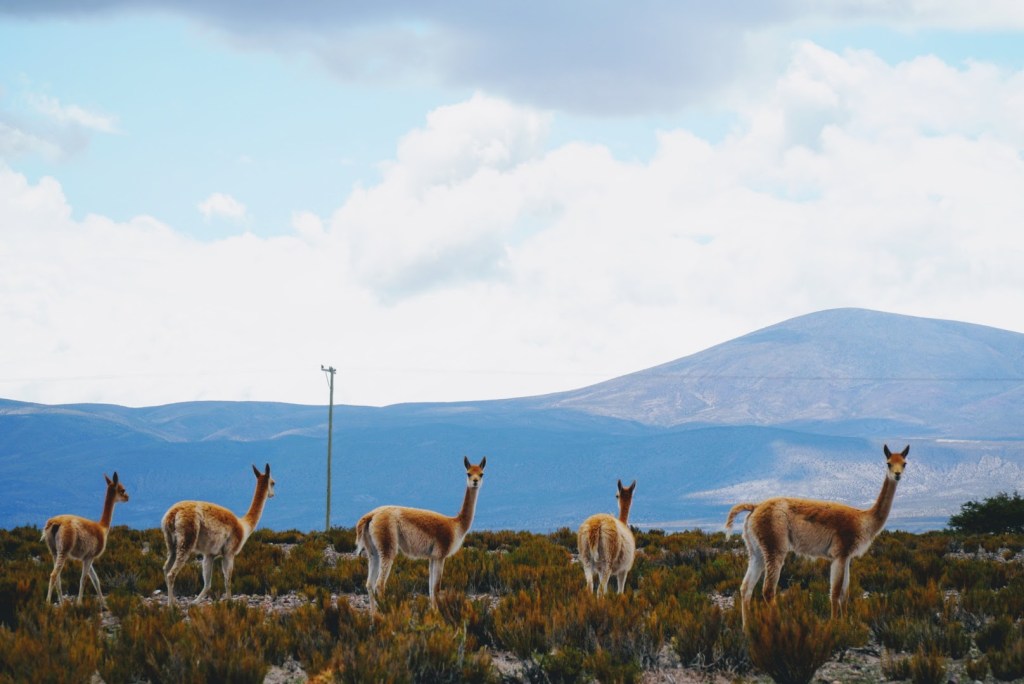
It was such a dramatic landscape. We didn’t count the kilometers rather the number of stops we kept making to take a few more photographs and then we eventually lost count of those.
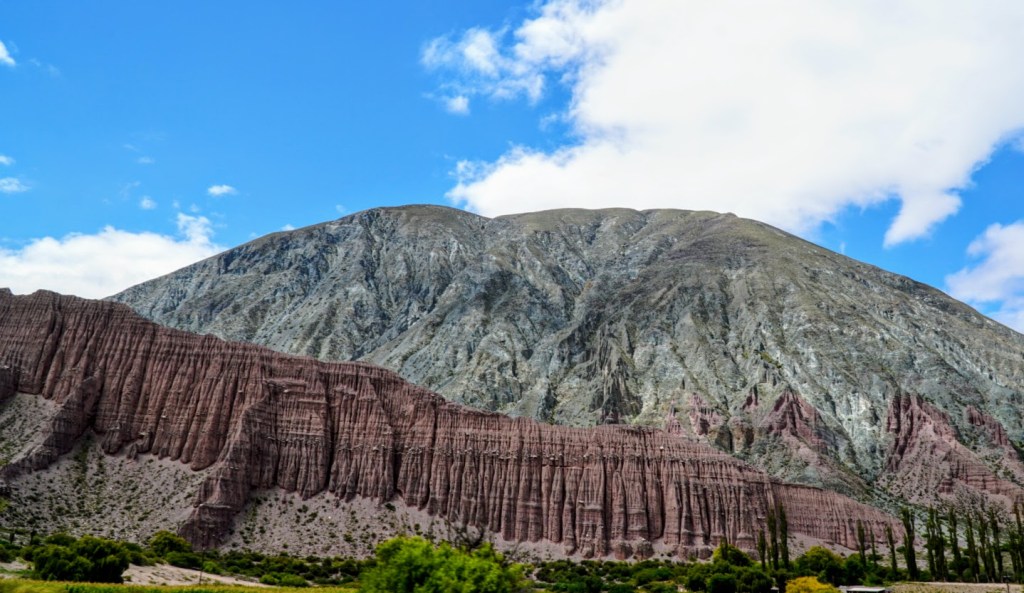
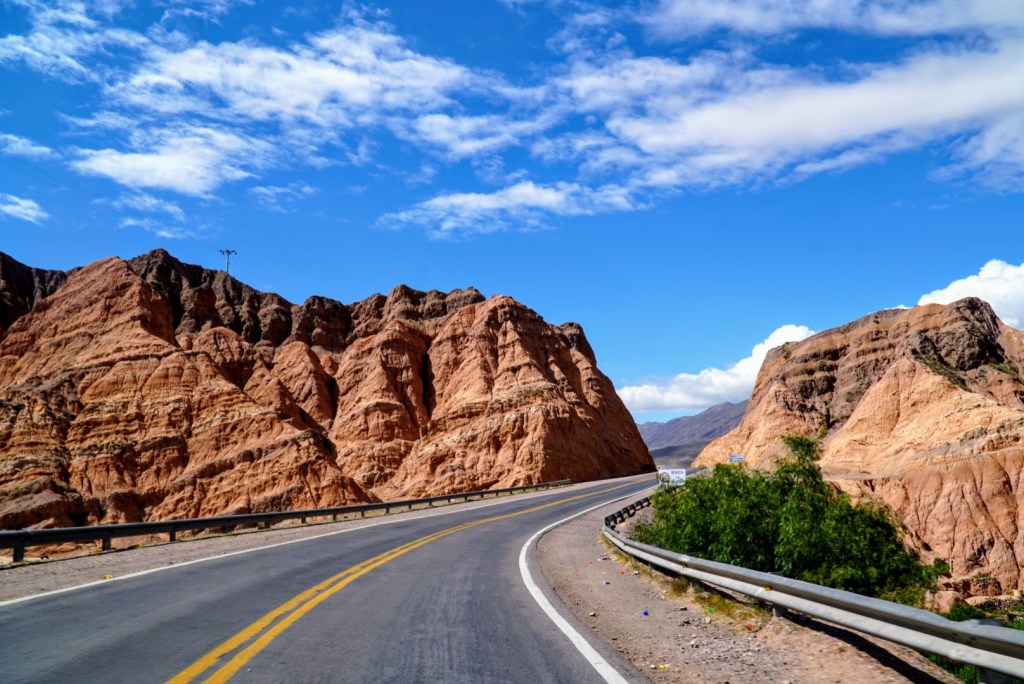
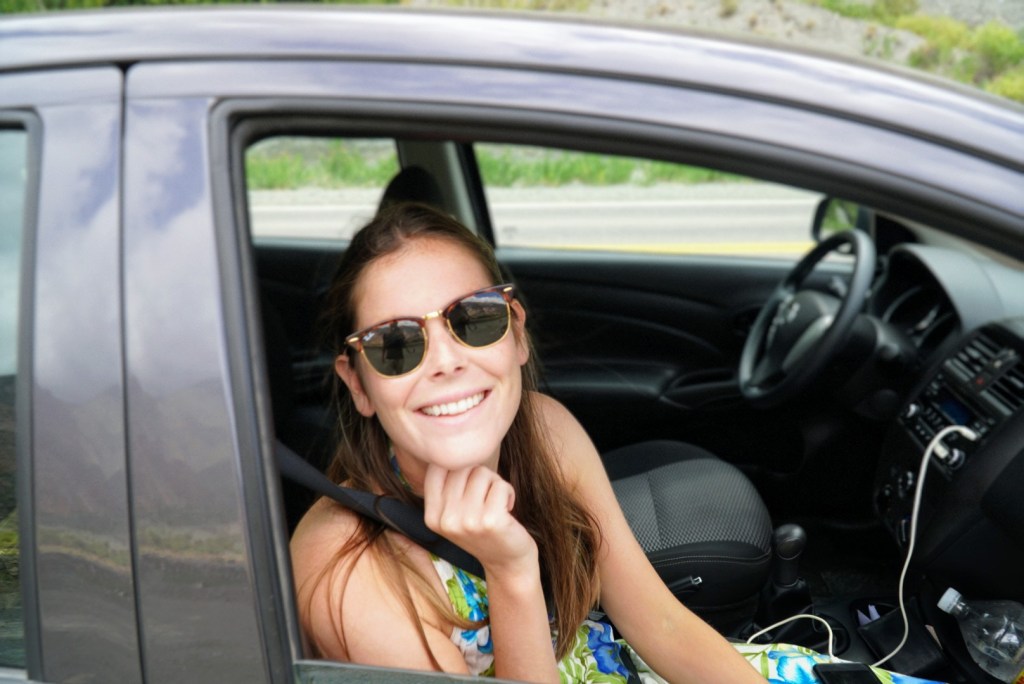
We arrived in Tilcara late afternoon on what turned out to be one of their newest and biggest holidays – Carnival! Checking into our Airbnb we were treated to stunning and dramatic views right across the valley!
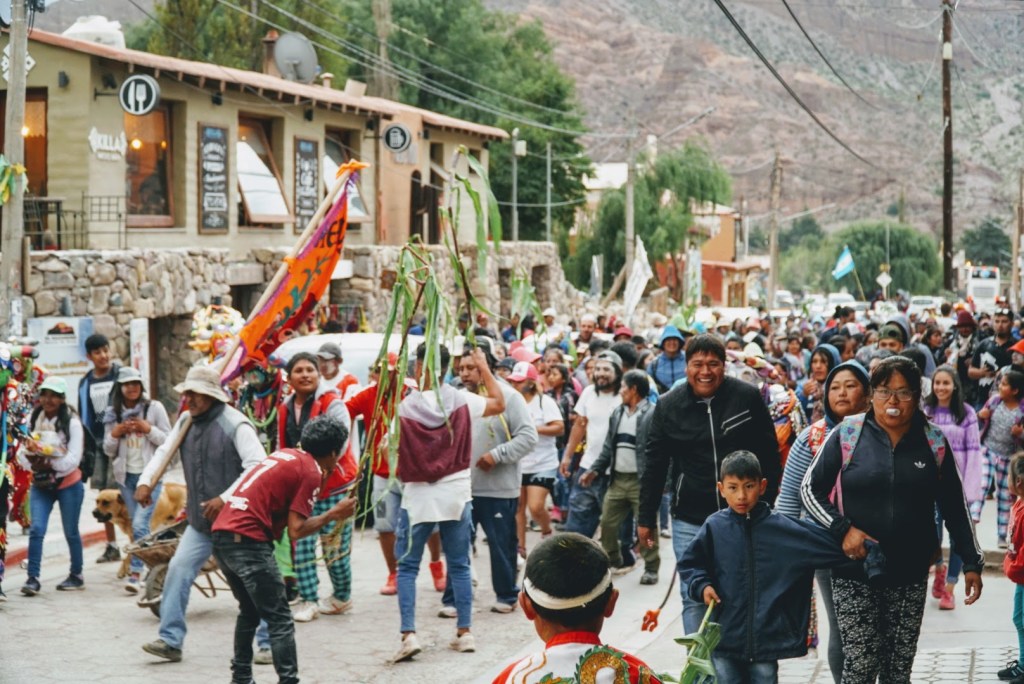
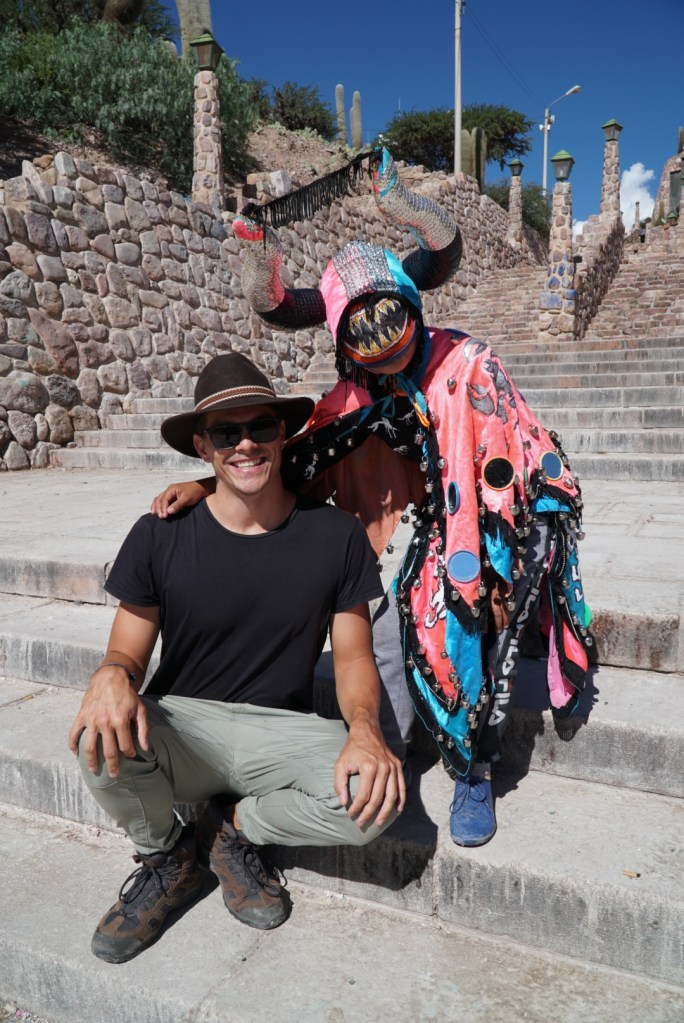
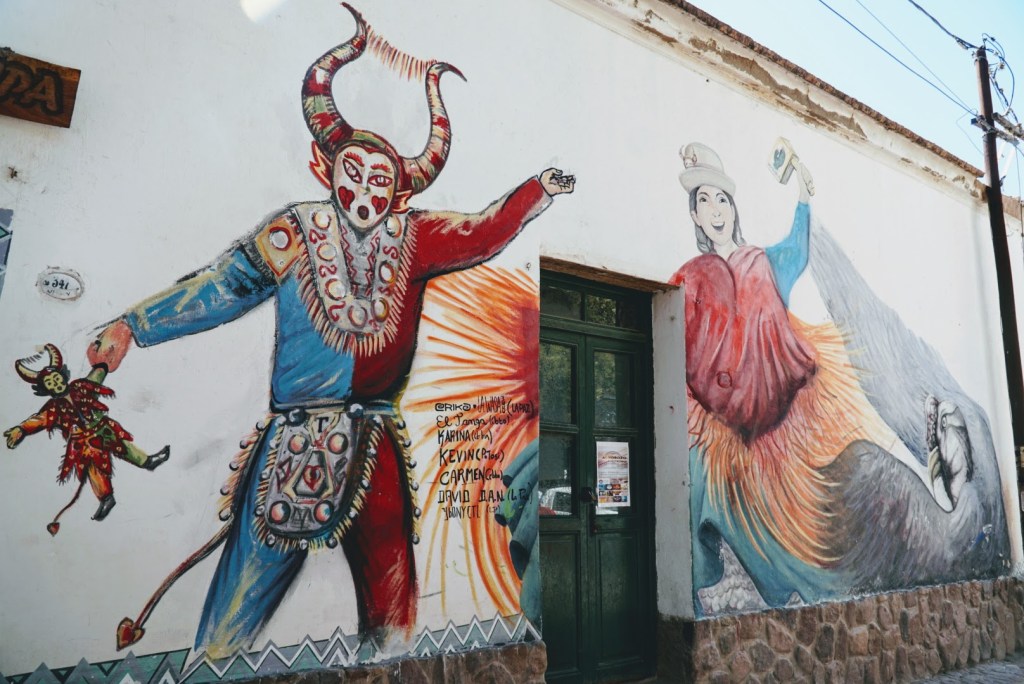
Throughout our three nights in Tilcara we saw, joined and were woken by the carnival celebrations marching through the streets. Various groups would sing, dance and make music as they made their way around town with their colourful “El Diablos” draped in mirrors dancing and picking people out of the crowd. Traffic on the tiny one way streets would quickly crawl to a stop as the troop made their lap of town.
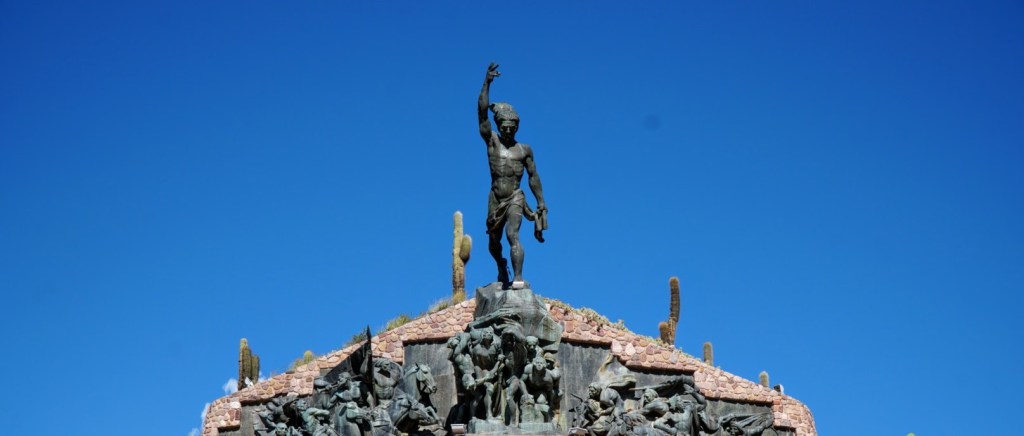
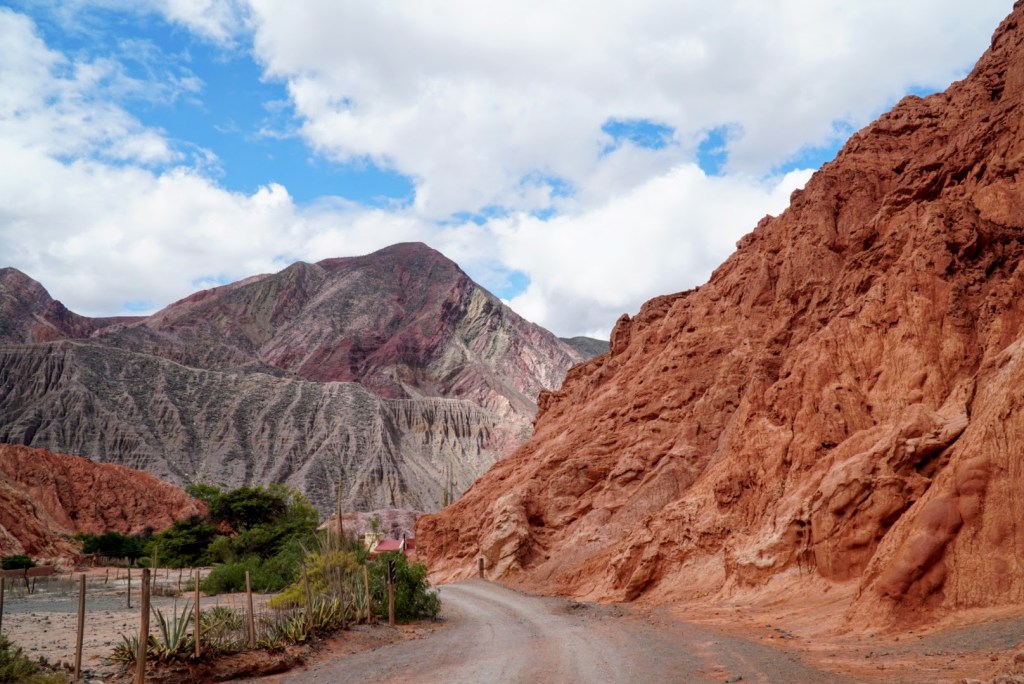
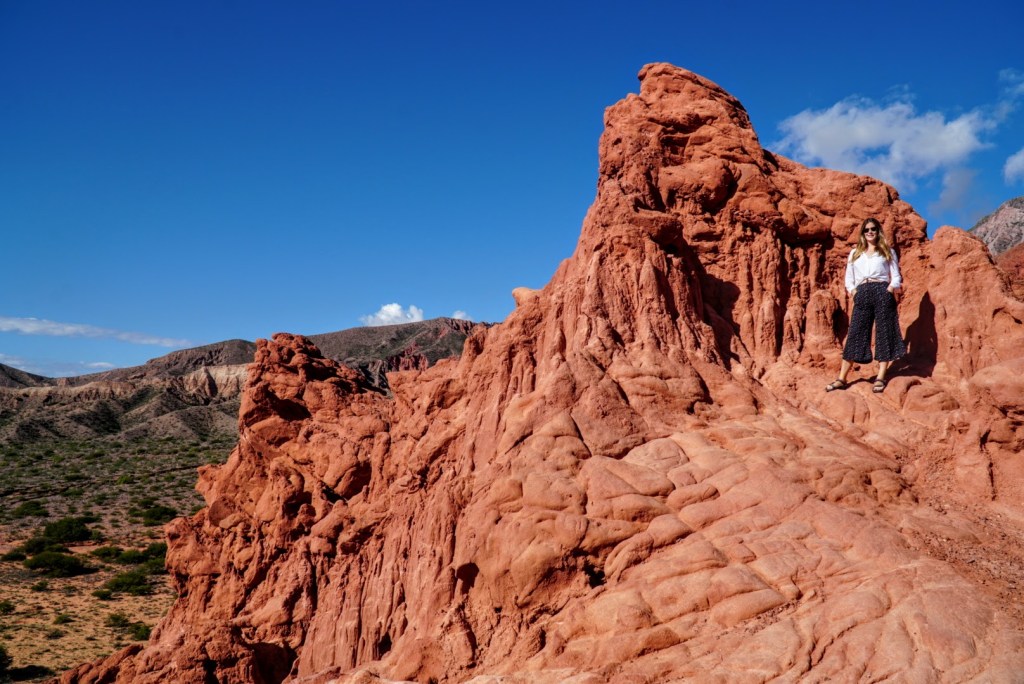
Tilcara was our base from which we had planned to check out some of the wonders of the north western state of Jujuy. On our way north to Humahuaca (we never figured out how to say this) we stopped to take in Quebrada De Las Señoritas. A stunning bright red gorge where ledgend has it a group of Incan women carrying gold for the Spanish from Peru ran away from their persecutors but were lost forever in the deep ravines. We didnt see any gold but it was incredible taking in the views!
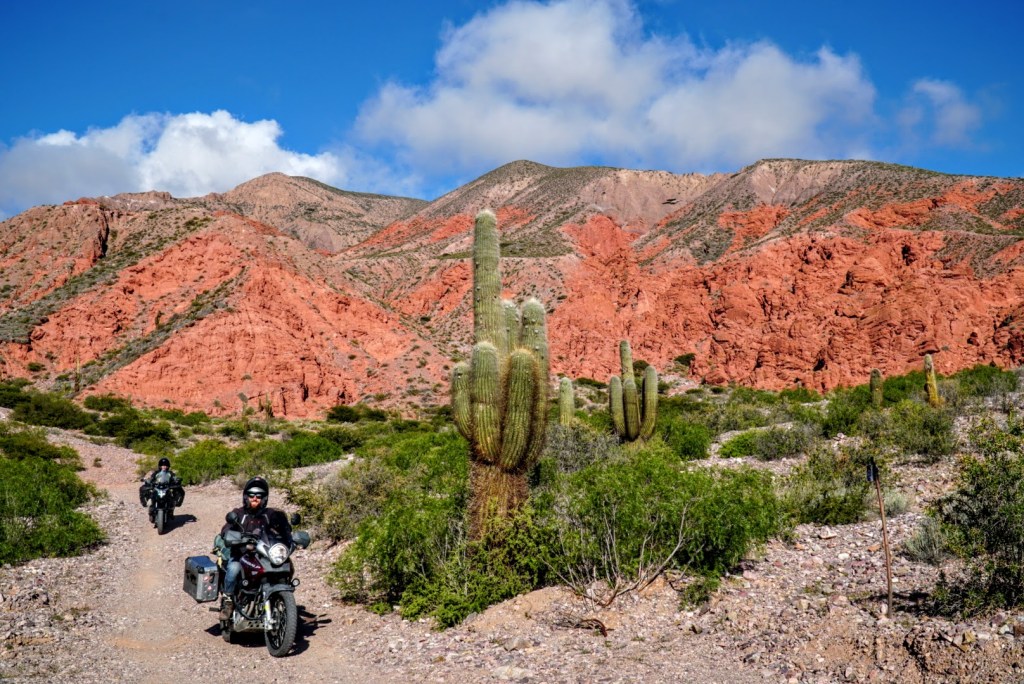
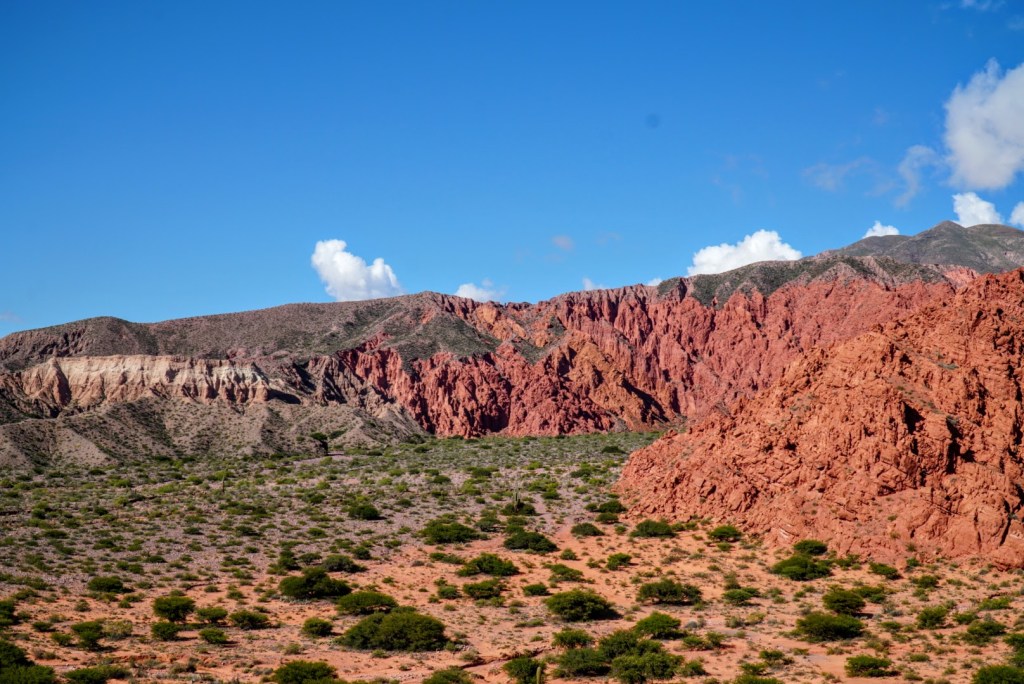
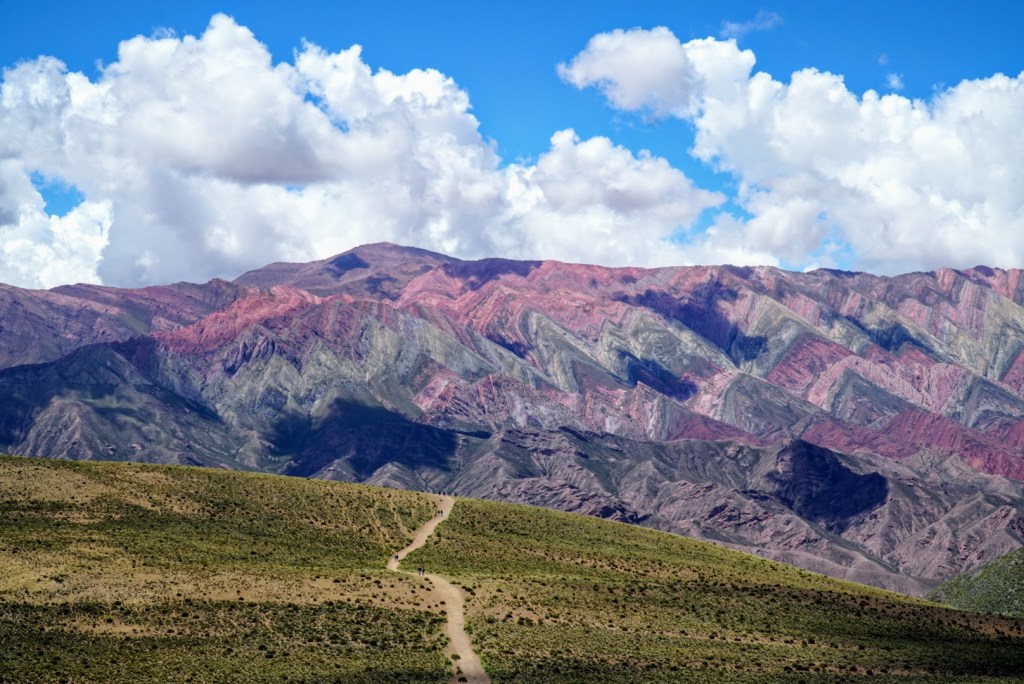
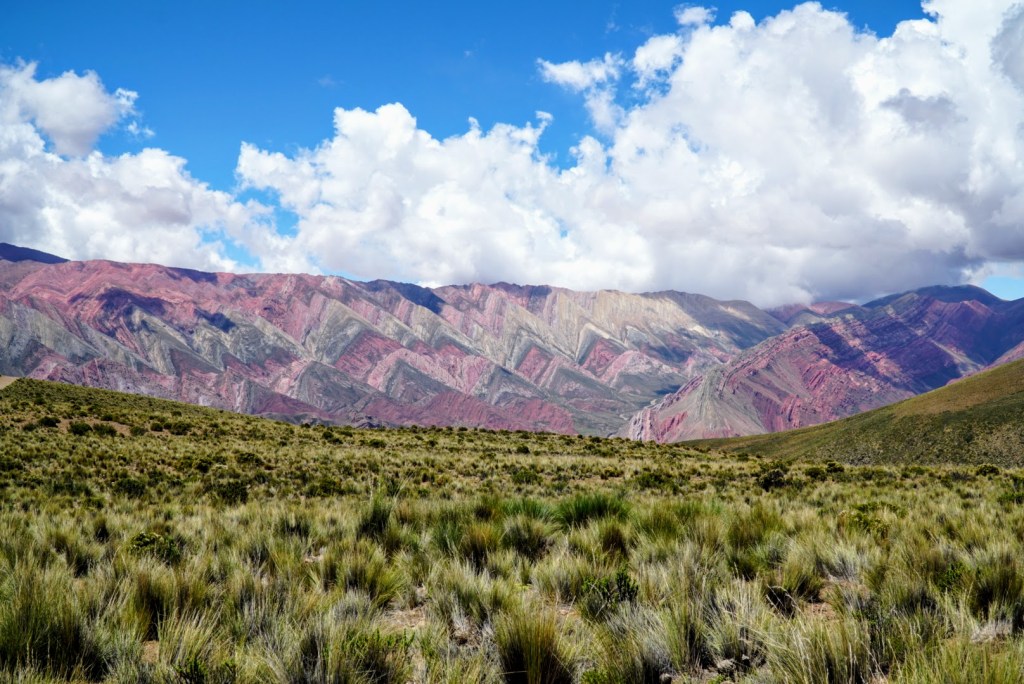
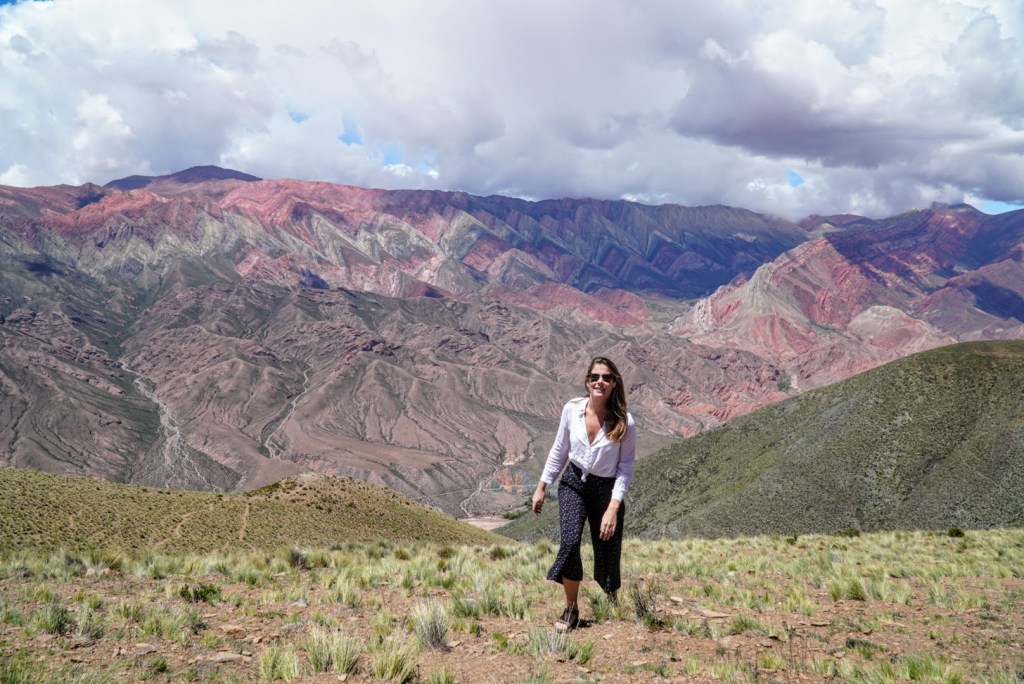
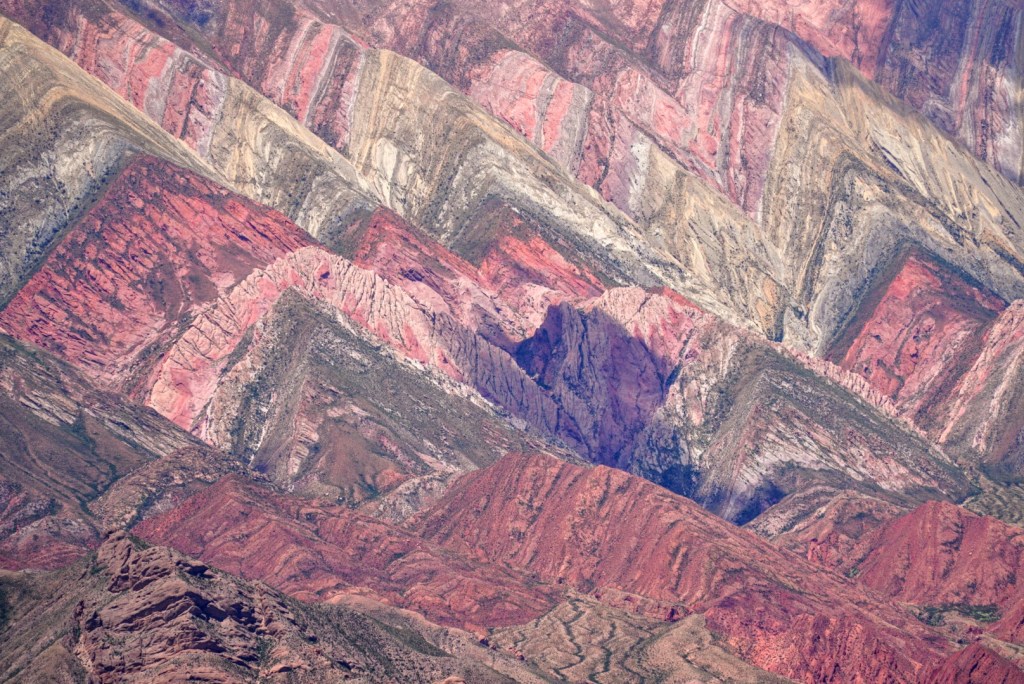
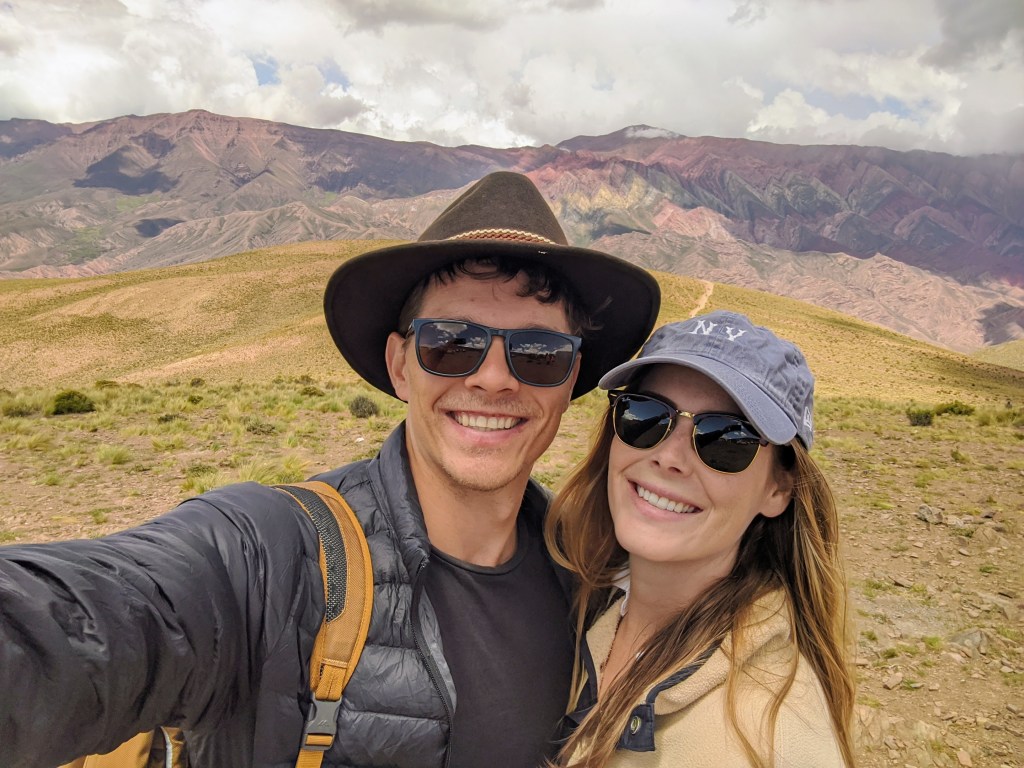
Humahuaca is home to the UNESCO site Serranía de Hornocal. A string of mountains eroding for millennia to reveal a rainbow of 14 colours painted across a huge mountain. After a pit stop for more empanadas we headed off to try and get the car up to 4350m above sea level and to take in the views (no hiking thankfully!).
On our drive there were a few cars and bikes who were not quite coping with the thin air and steep accent but our relatively new car performed flawlessly. Needless to say, the view was absolutely incredible!
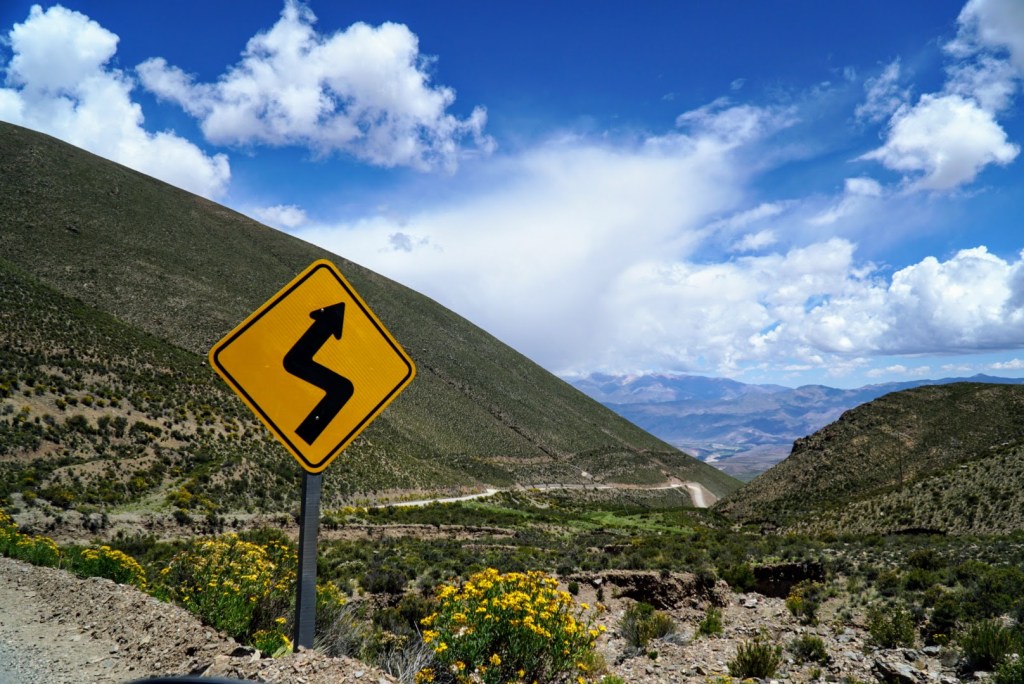
On our accent Lauren suggested that we were going to the wrong spot – the guide we read said to go to Quebrada de Humahuaca and according to Google this was a little detour before getting back into town – with 250 reviews and a 4.8 rating we thought maybe we should check out this place too!
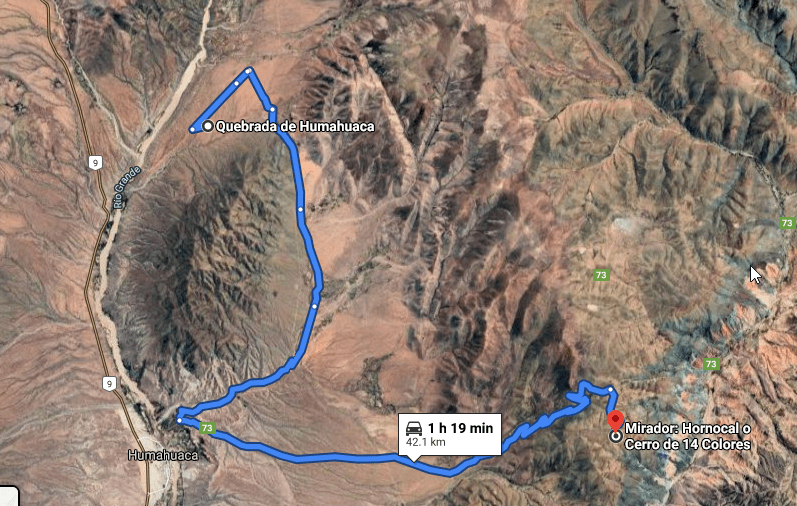
Well, it turns out that Quebrada de Humahuaca is just a placeholder pin for the entire. region. of. Humahuaca…
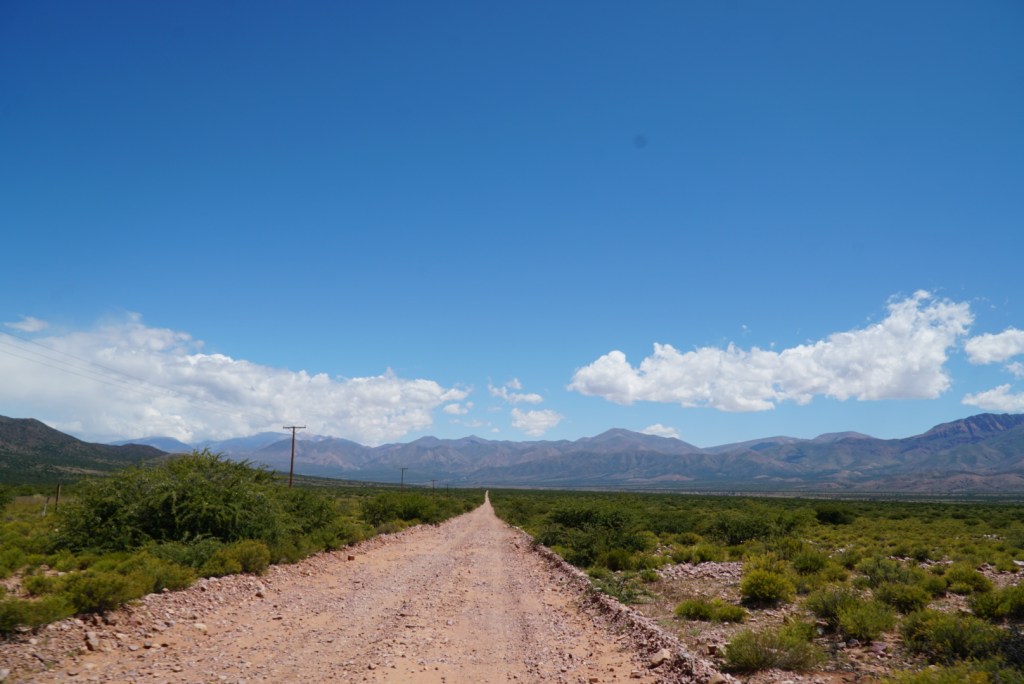
The word Quebrada translates to “Broken”which definitely describes what the surrounding landscape looks like but its not a ‘mirador’ (look out) and in fact there isn’t anything specifically at this location. According to our map the dirt road ends but the road we were on seemed to continue, roughly in the direction of the freeway. “Maybe we could avoid doubling back if we go a little further?” I suggested.
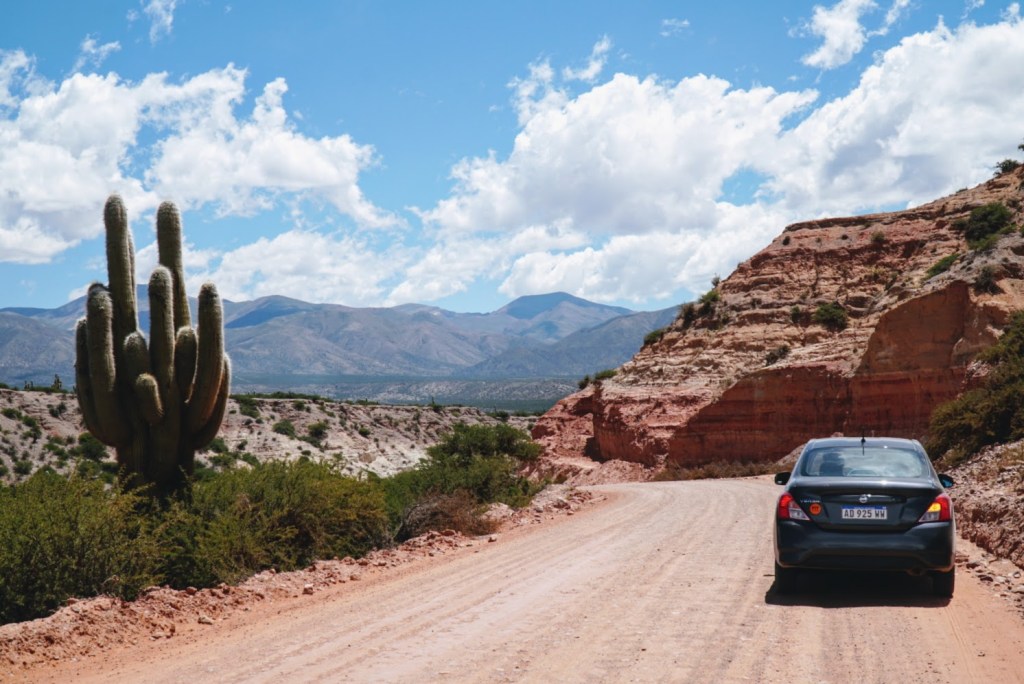
Well a little further on this non-existent road, too narrow to do a U-turn without leaving the track it was clear that there was in fact a bit of a canyon and river in our path..
“A little further?” I prompted.
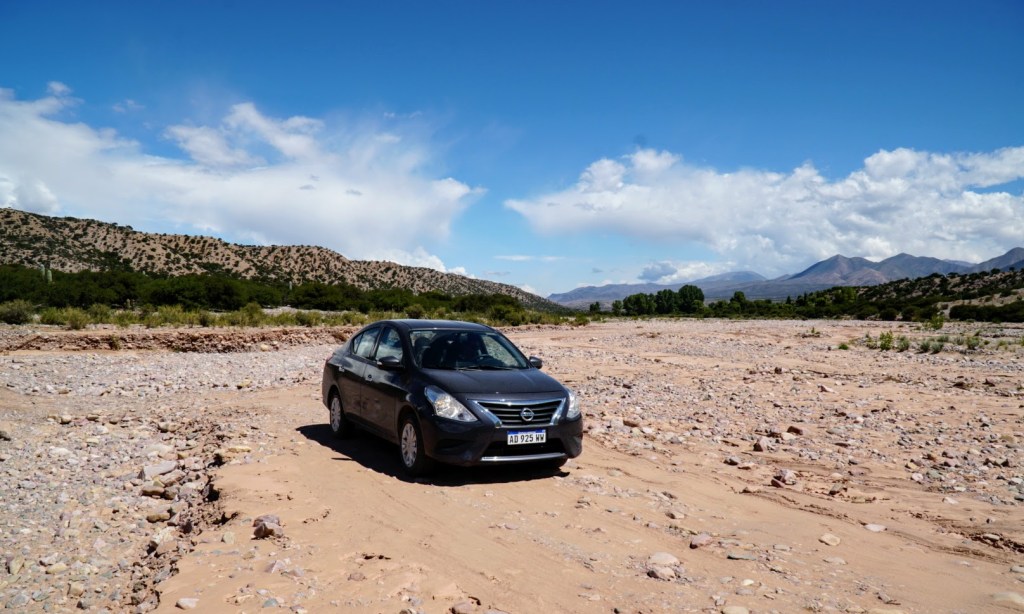
The trail abruptly ended at a dry river bed. With our heart in our throats I carefully negotiated the path across the washed out river…
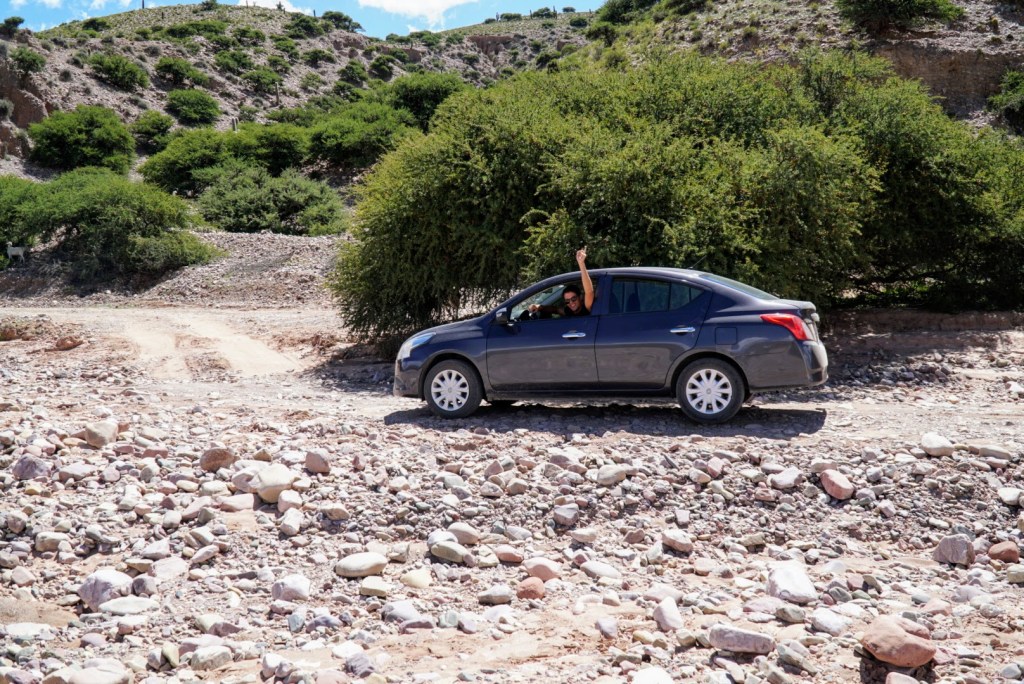
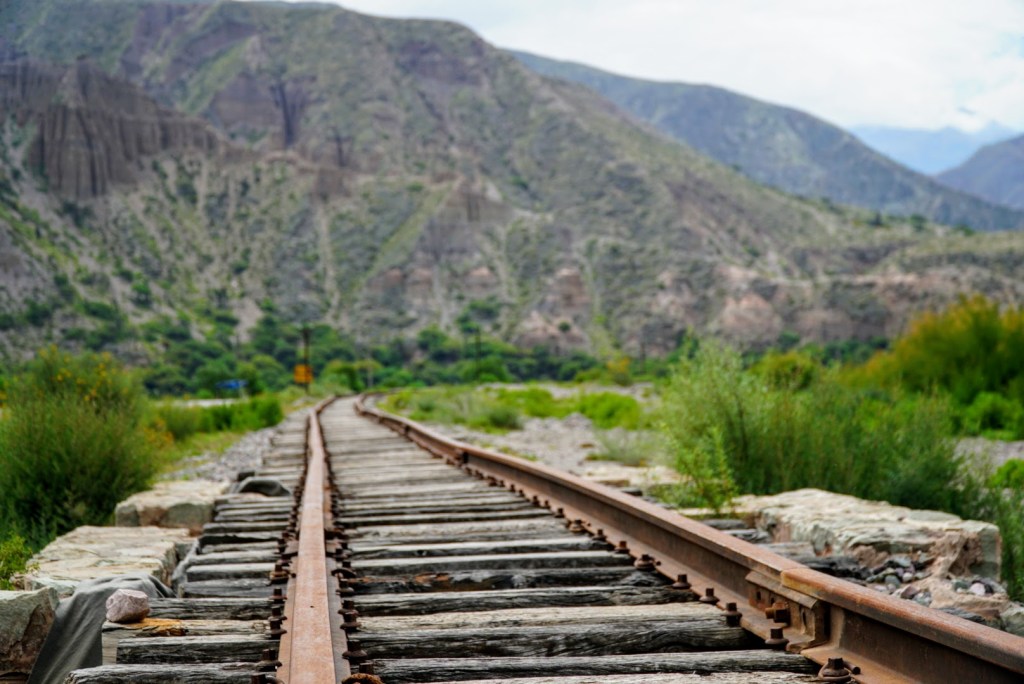
The path from there was only a little better as I guided the car down an old railway line until finally we saw civilization again and the highway just beyond that.
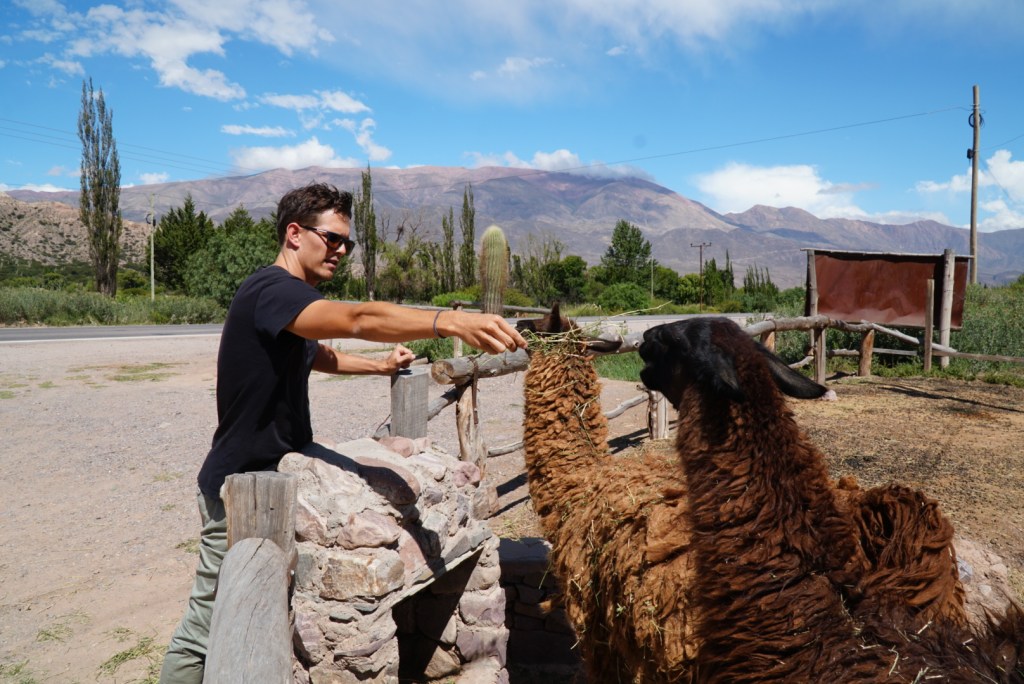
The next day started in the rain – we were so used to the great weather so far that it was totally unreasonable to expect rain in the wet season. Nonetheless we headed out to Salinas Grande (Great salt lake) to the East. The road was equally impressive – a 4000m high alpine pass winding its way up right up into the clouds.
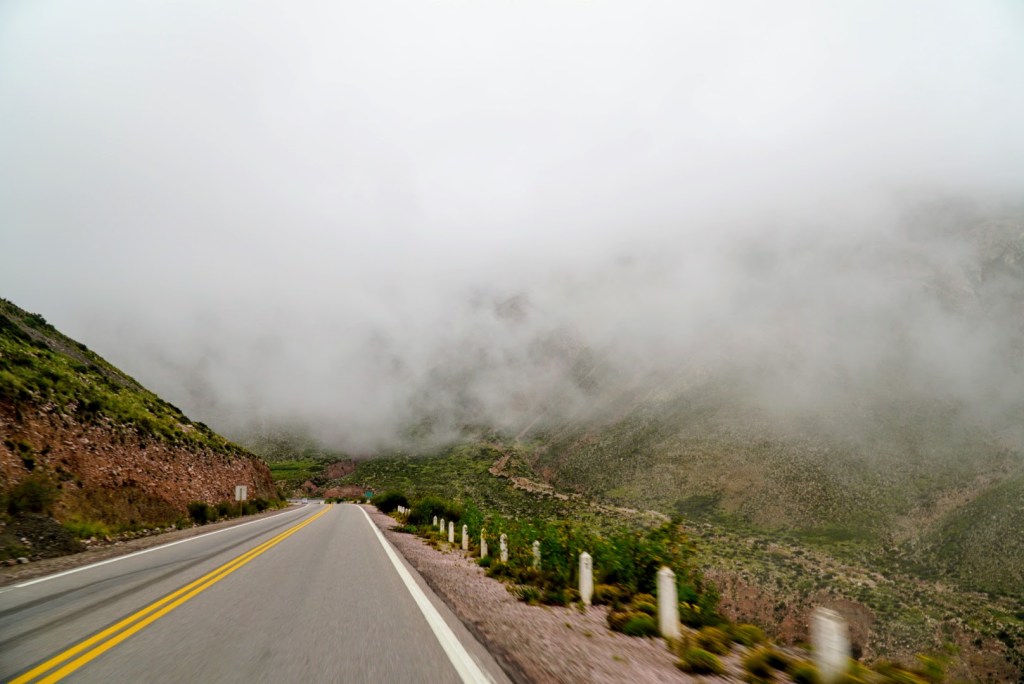
As we descended a little on the reverse side the scenery once again was different – the next ragged mountain range lay far in the distance and road lay on a gentle slope.
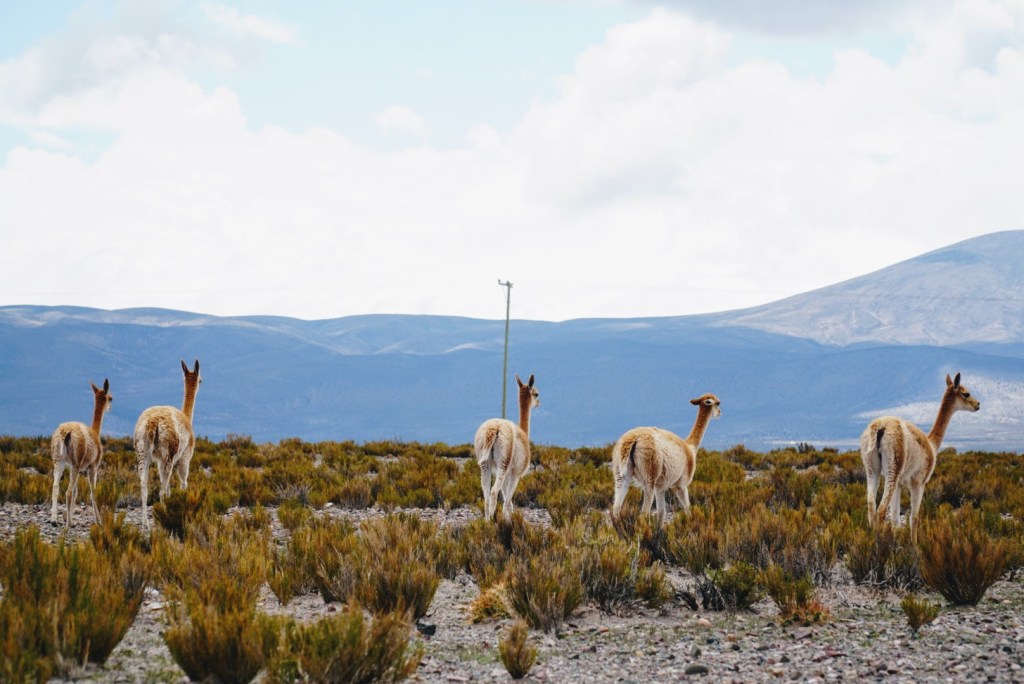
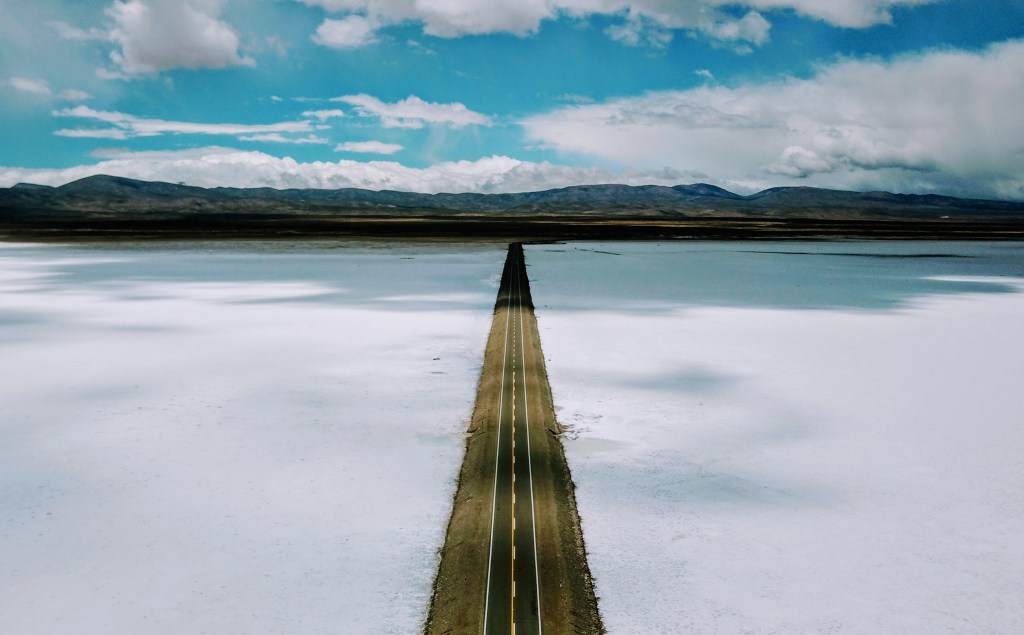
We felt like school kids – our eyes pealed out the windows looking at the incredible outdoors. Soon we could see the salt lakes in the distance – they never seemed to get much closer because the perspective was so strange.
Once we arrived we thought that we didn’t have any props to make those cool perspective photos but after a quick rummage through our bags we found a few items. I think we did pretty well actually!
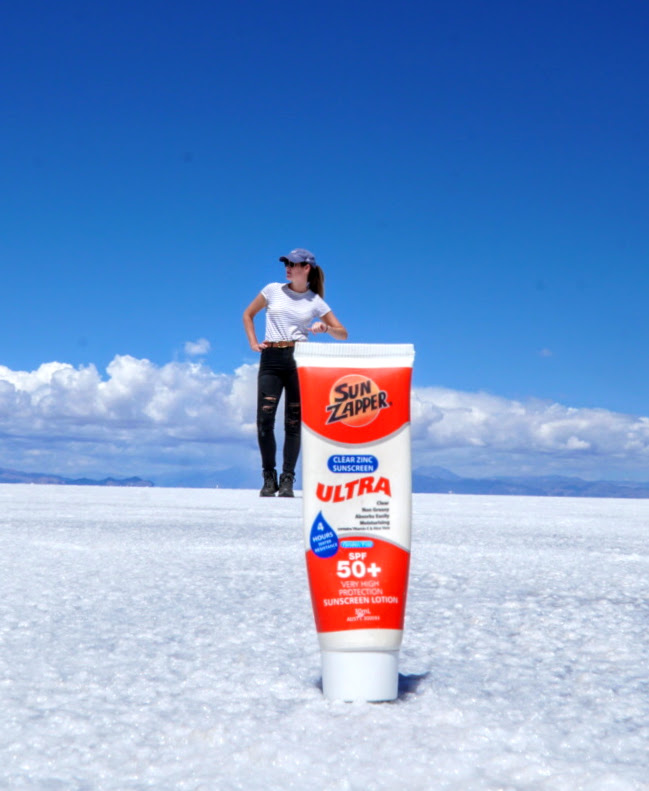
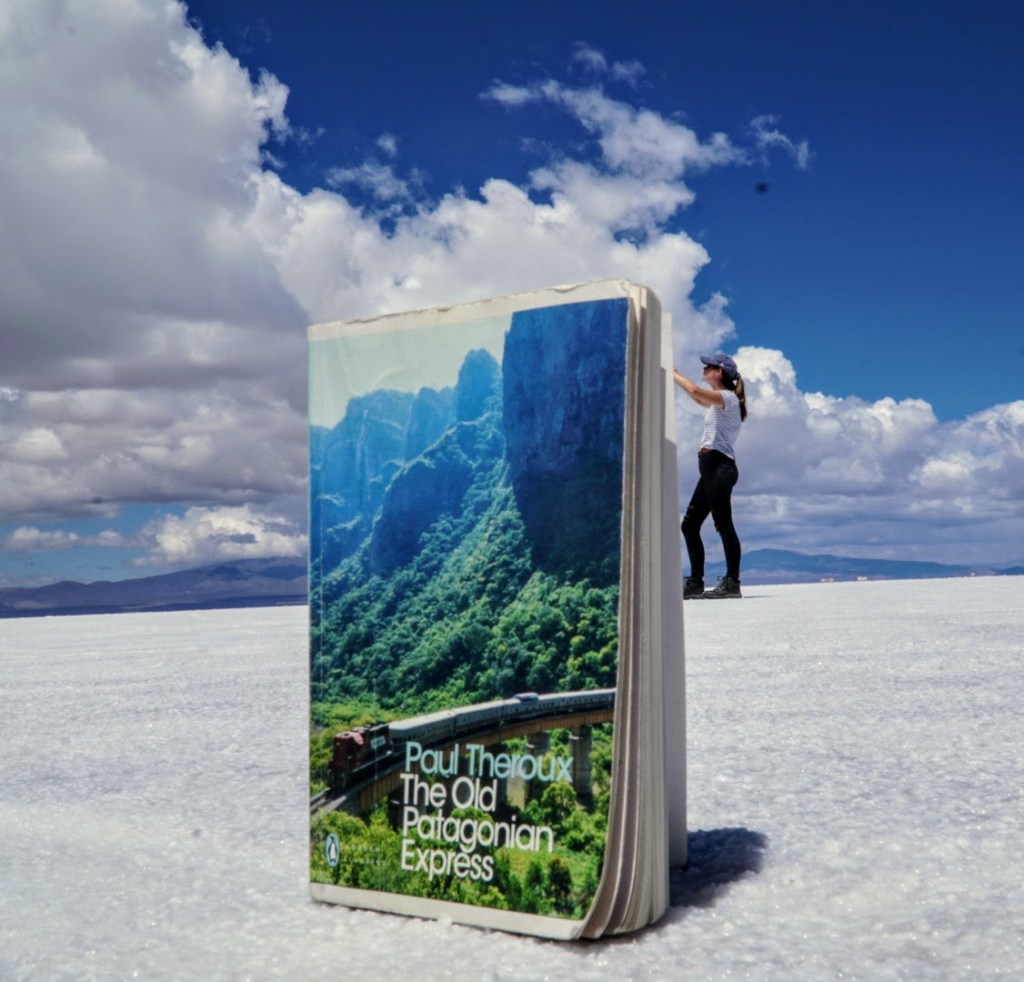
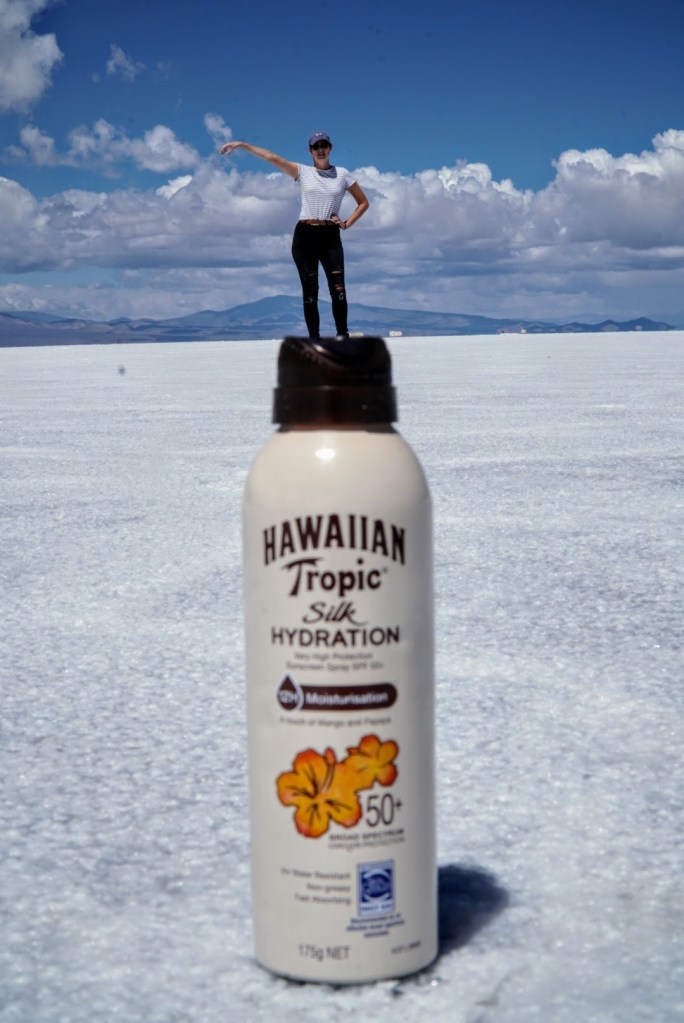
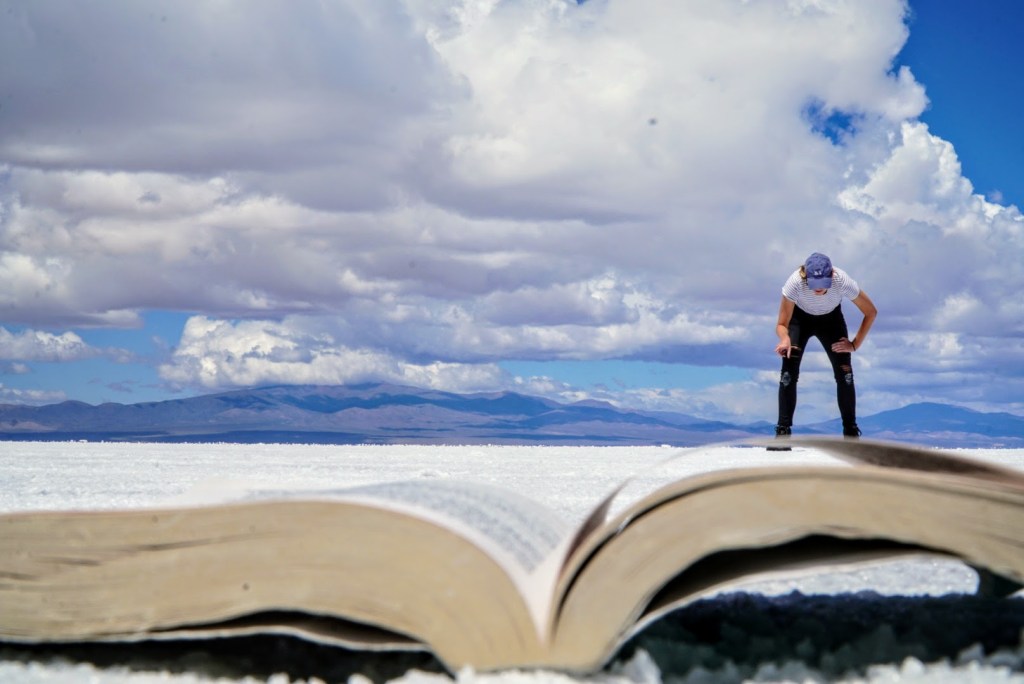
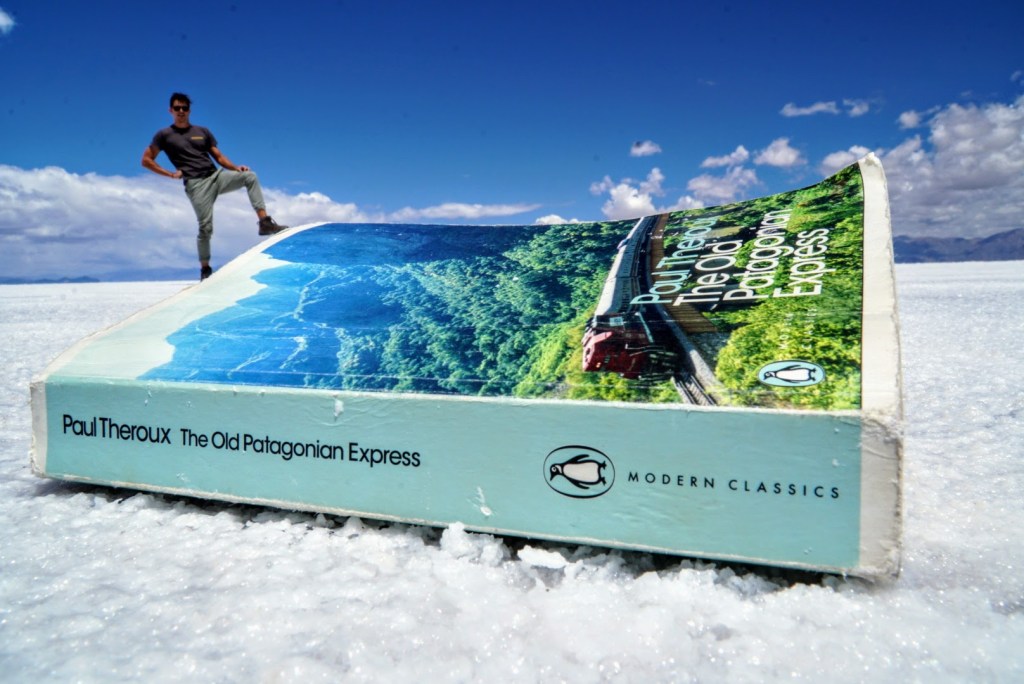
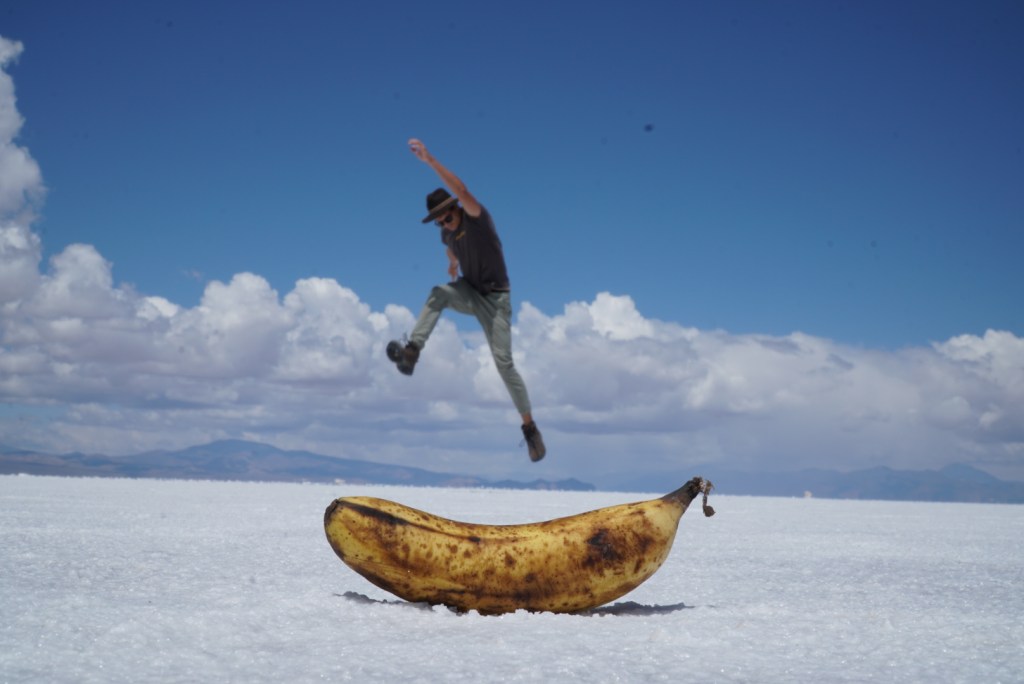
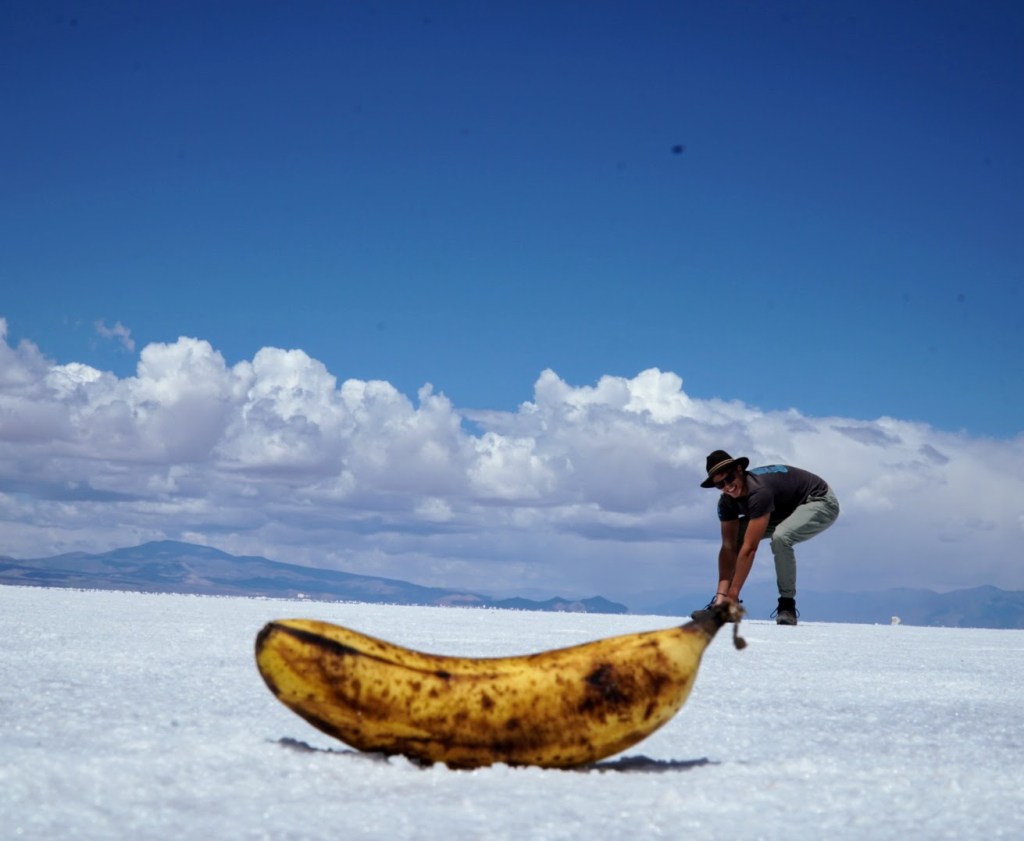
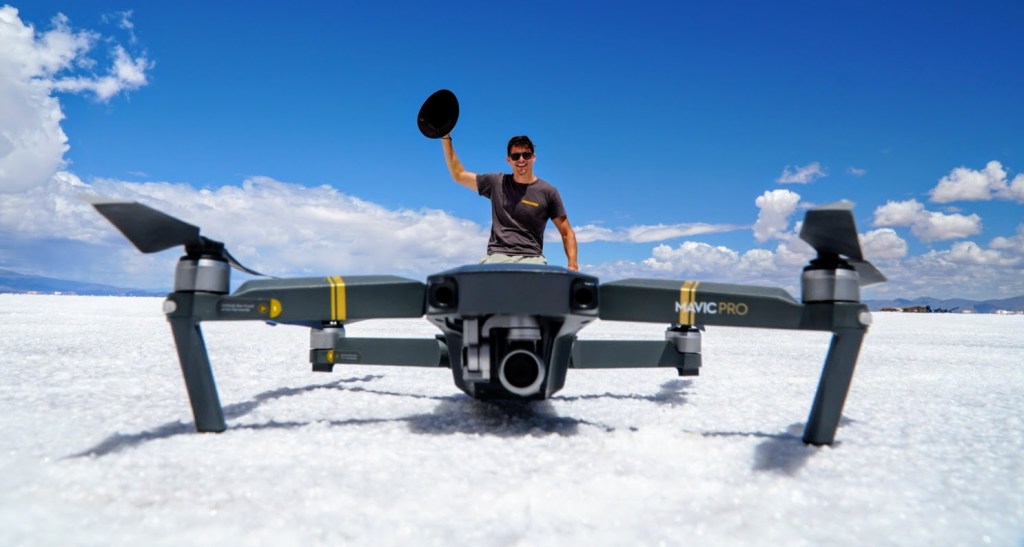
There were of course a few fails too…
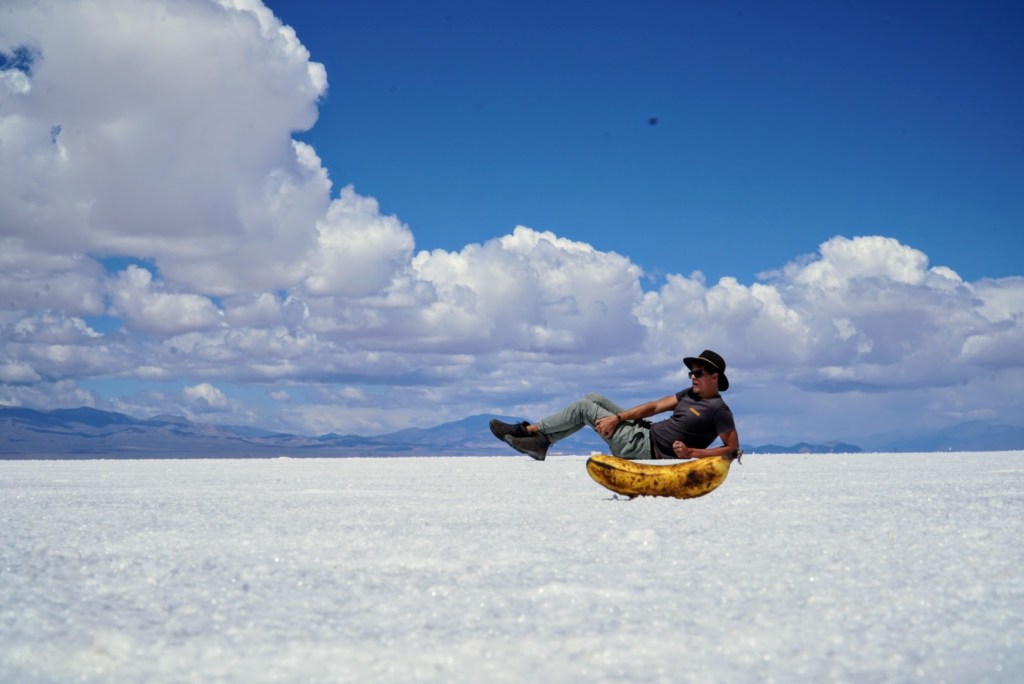
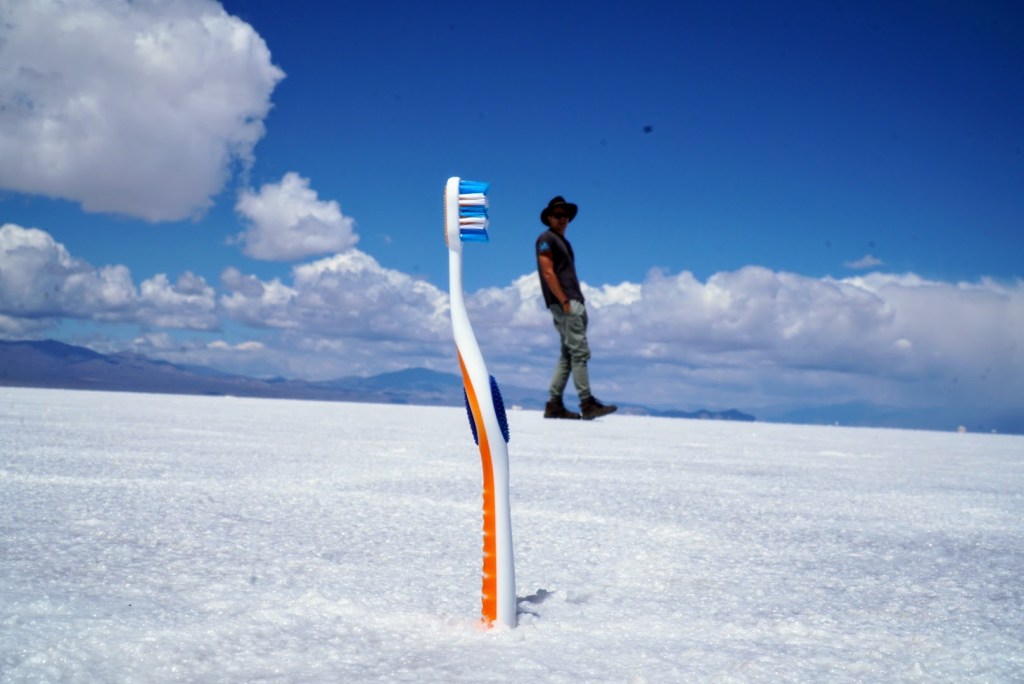
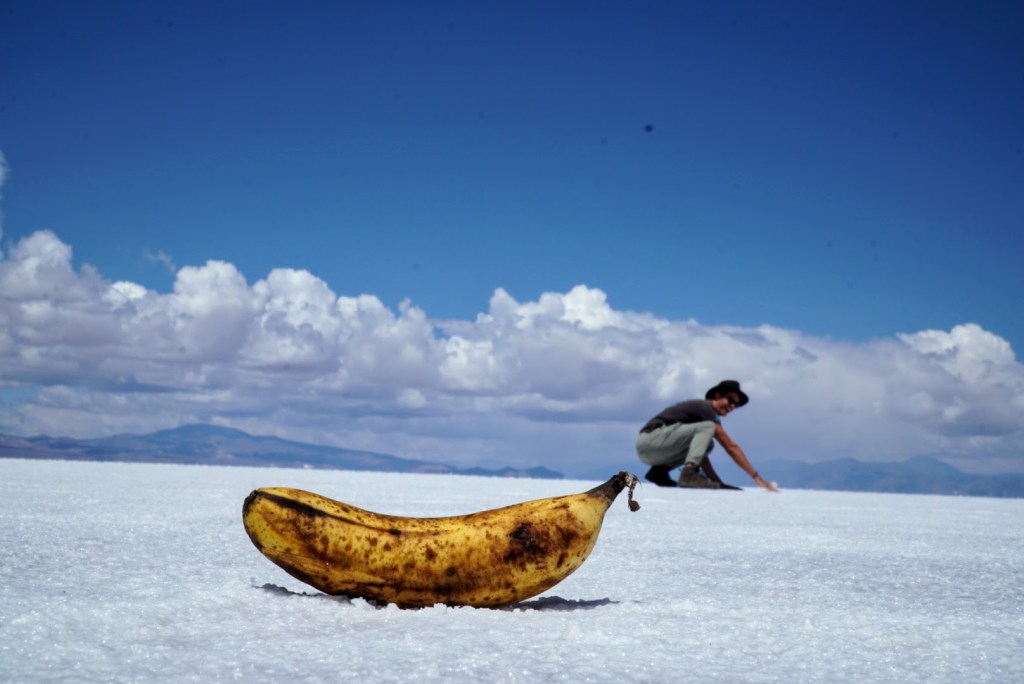
We made our way back to Tilcara – unfortunately the road onwards to the Lithium mines was a 4wheel drive only track – no matter how confident I felt about my ability we didn’t think the car would survive much worse than what we had thrown at it already!
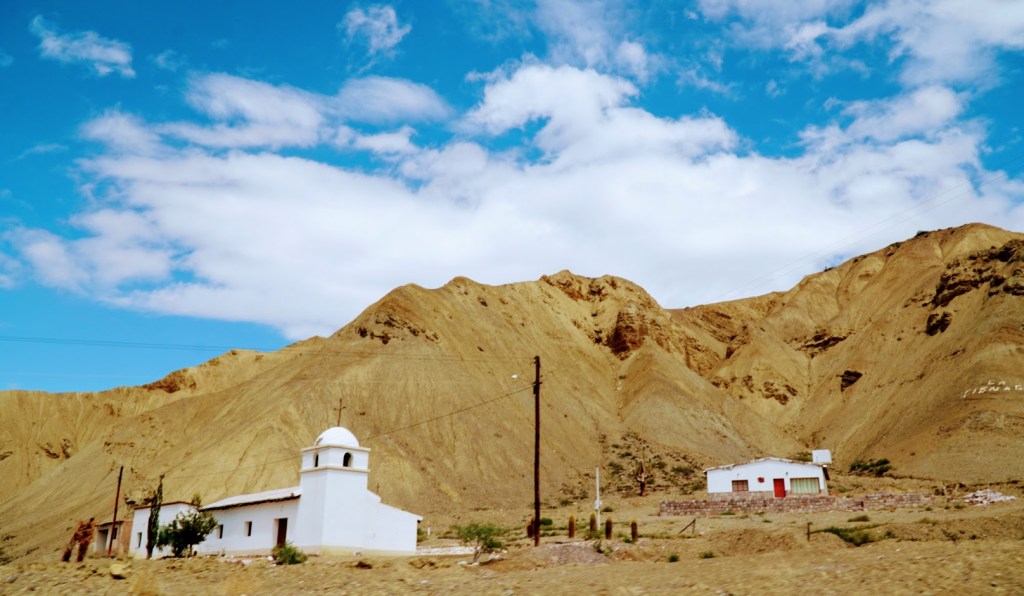
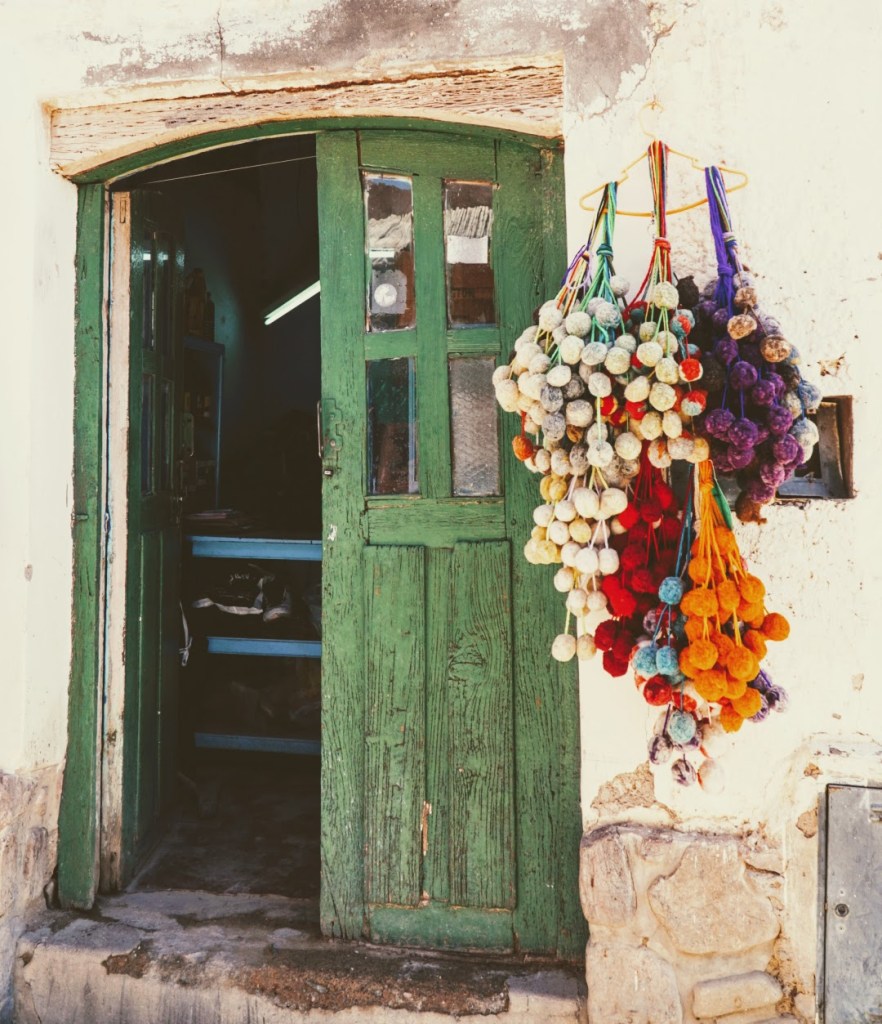
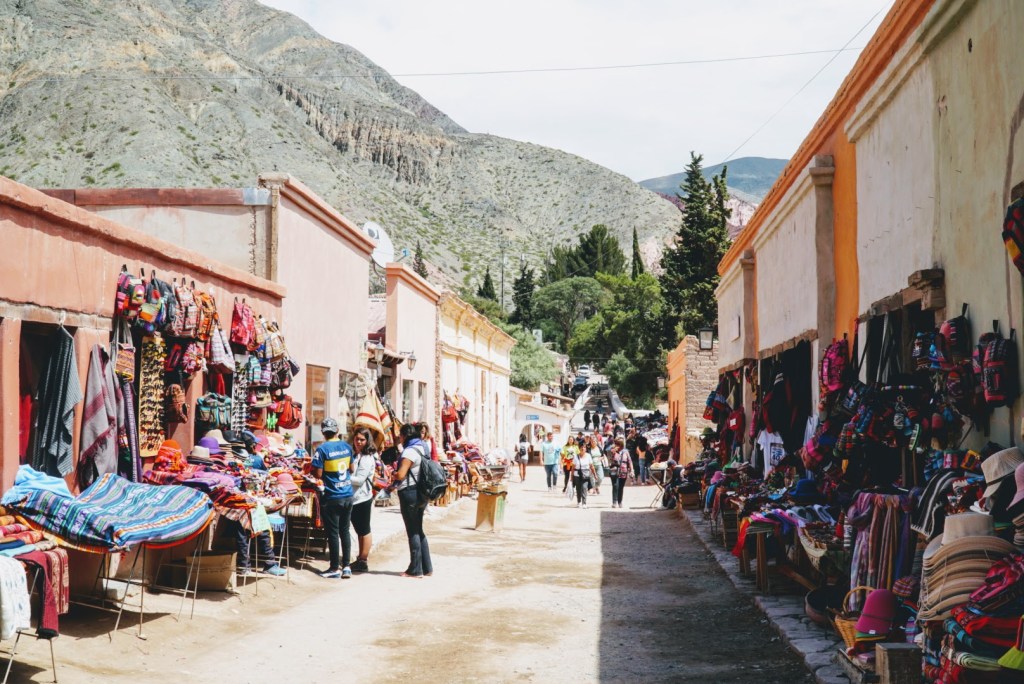
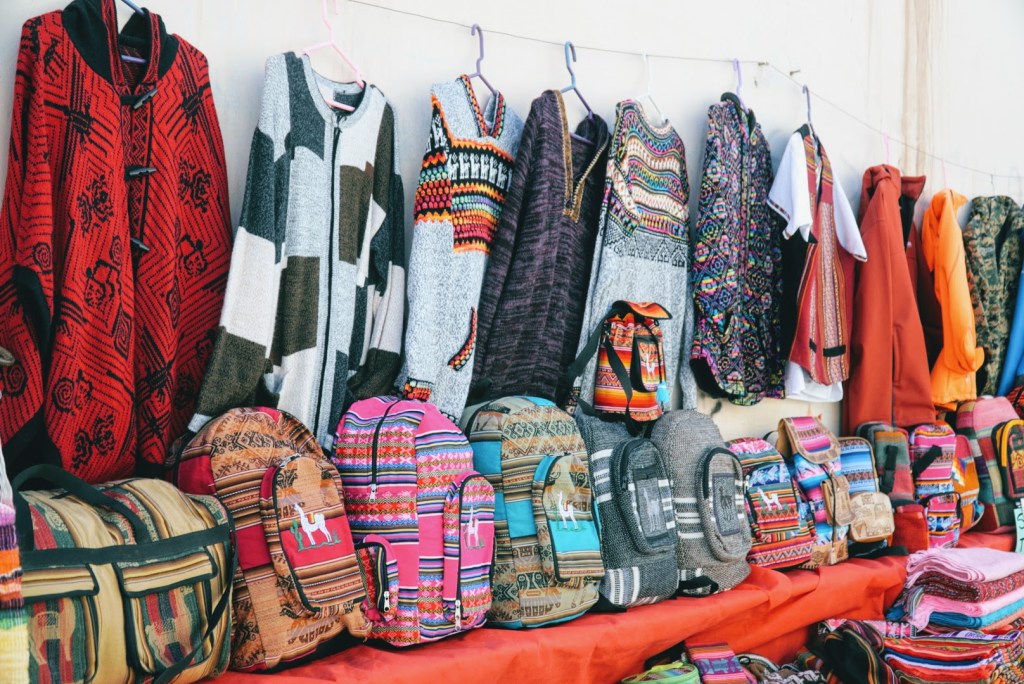
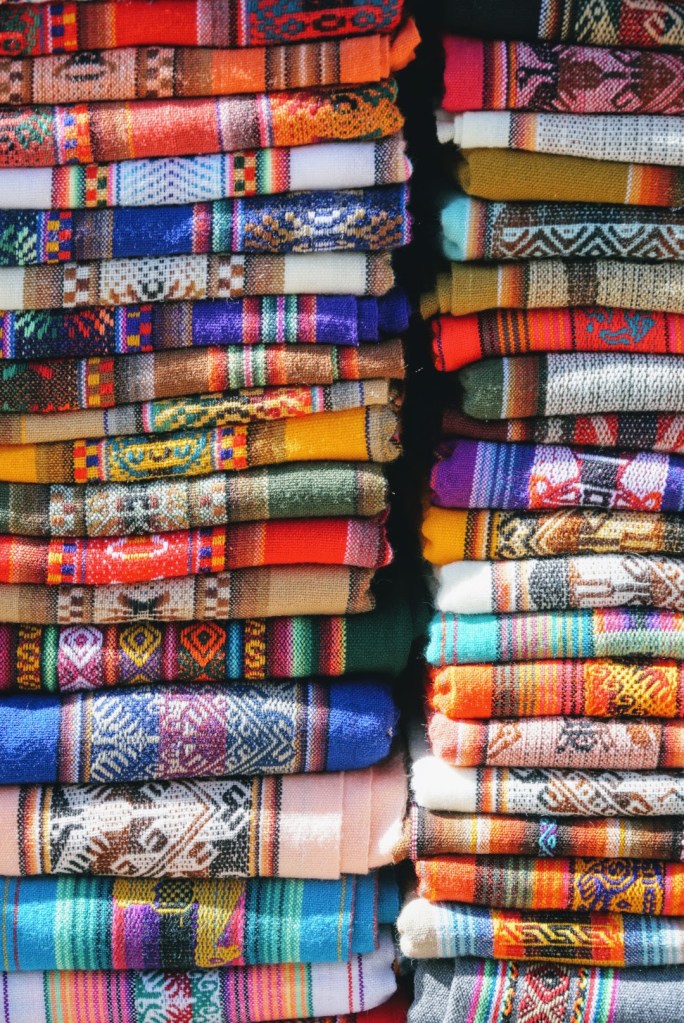
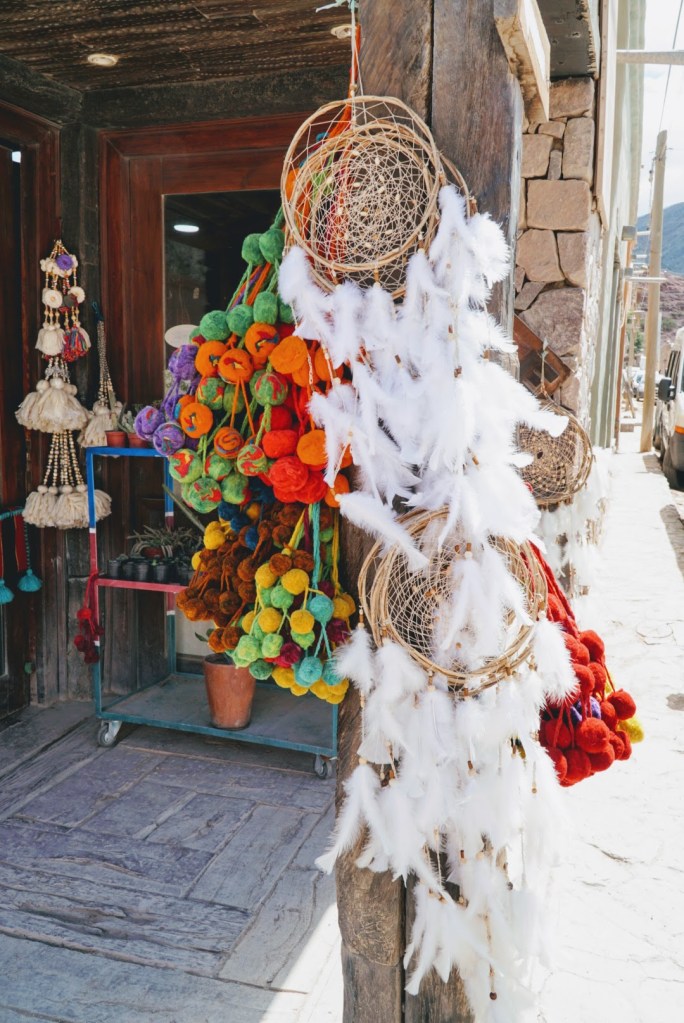
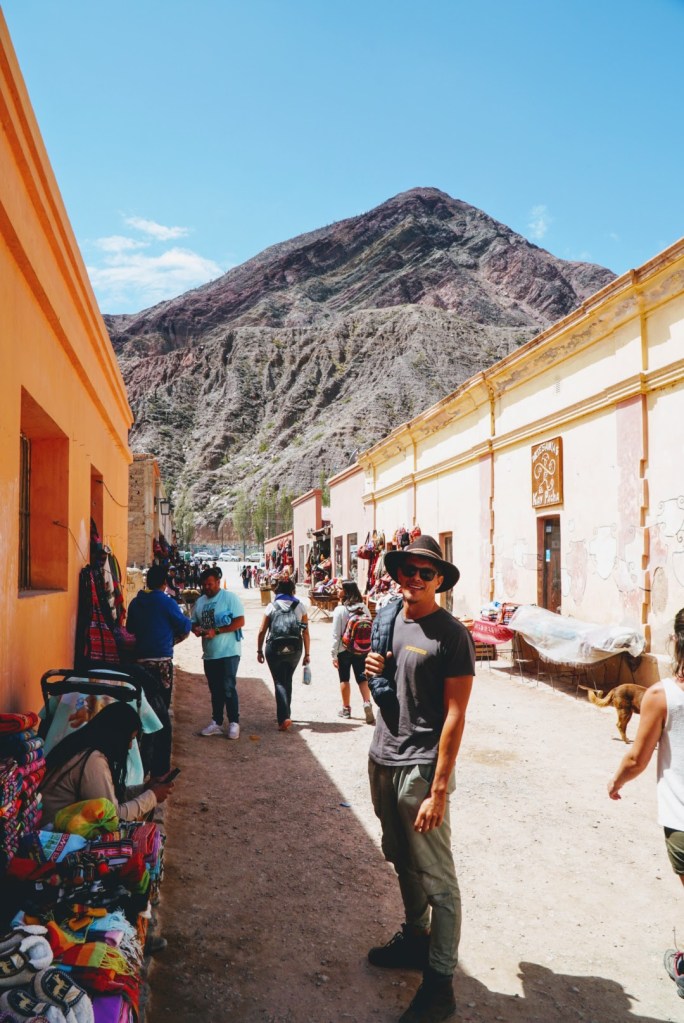
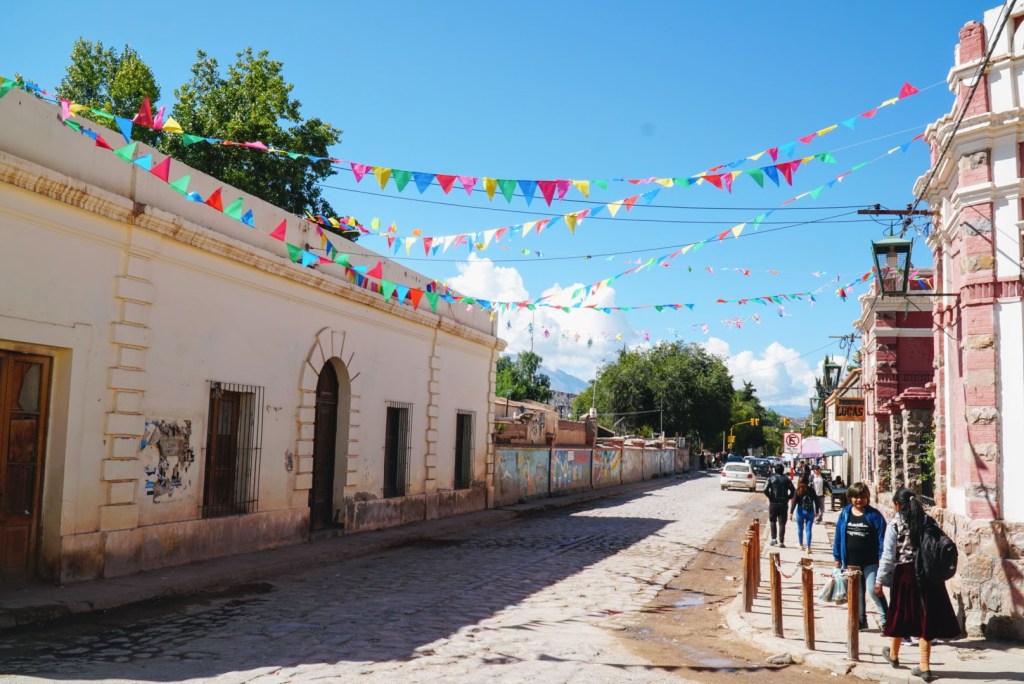
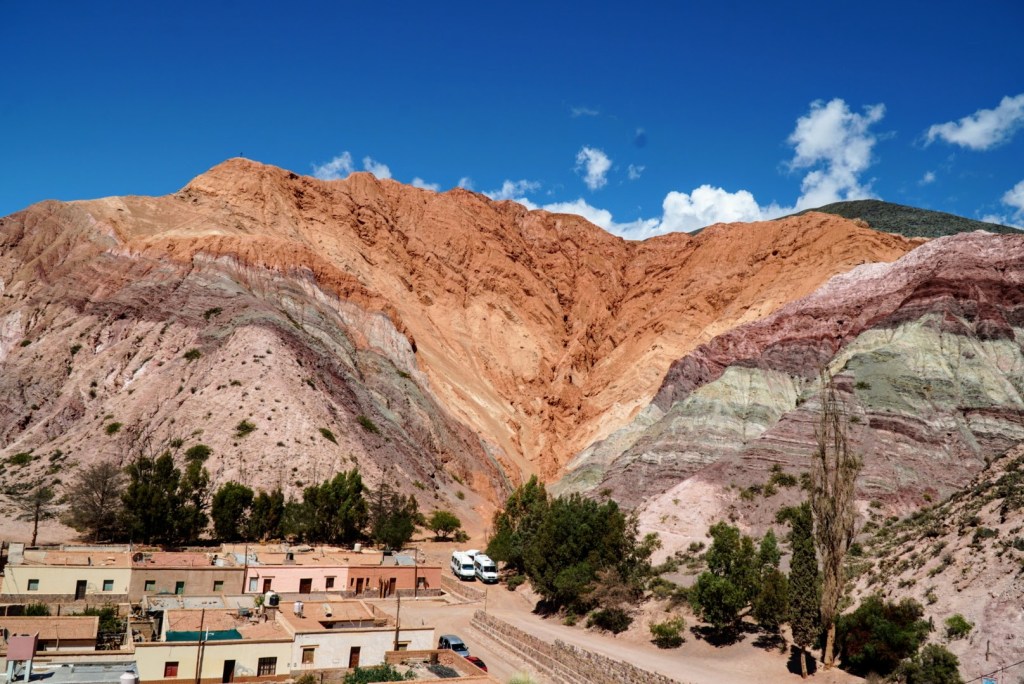
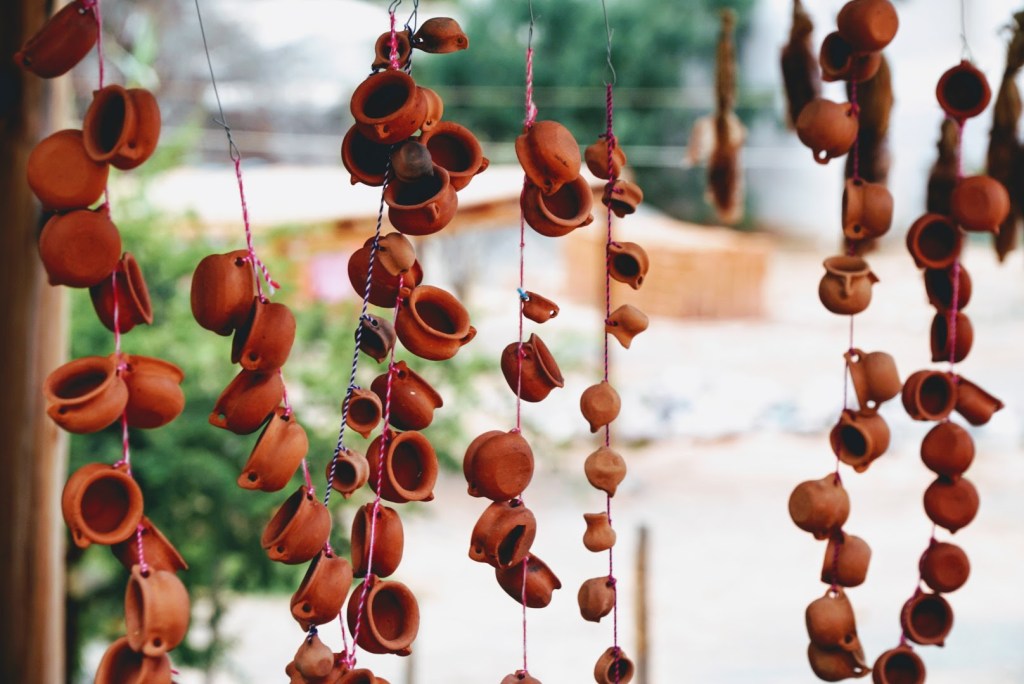
As we could not take the infamous Ruta 40 from Tilcara to Cachi we decided to go back via Salta. On the drive we found a few more stops we missed on our way up so our drive back south was as interesting as the first time North. We stopped in the town of Purmamarca – home to the hill of Seven colours (not 14). It was a very cute village nestled at the base of a very colourful hill – it had loads of handicrafts and of course empenadas!
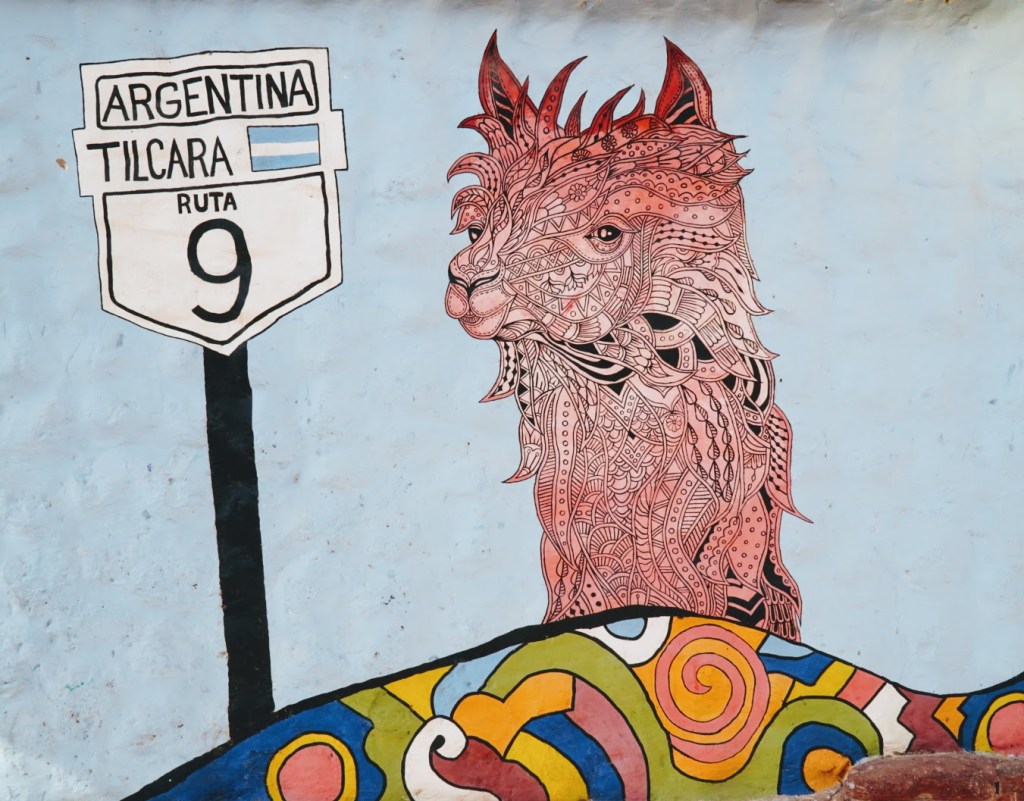
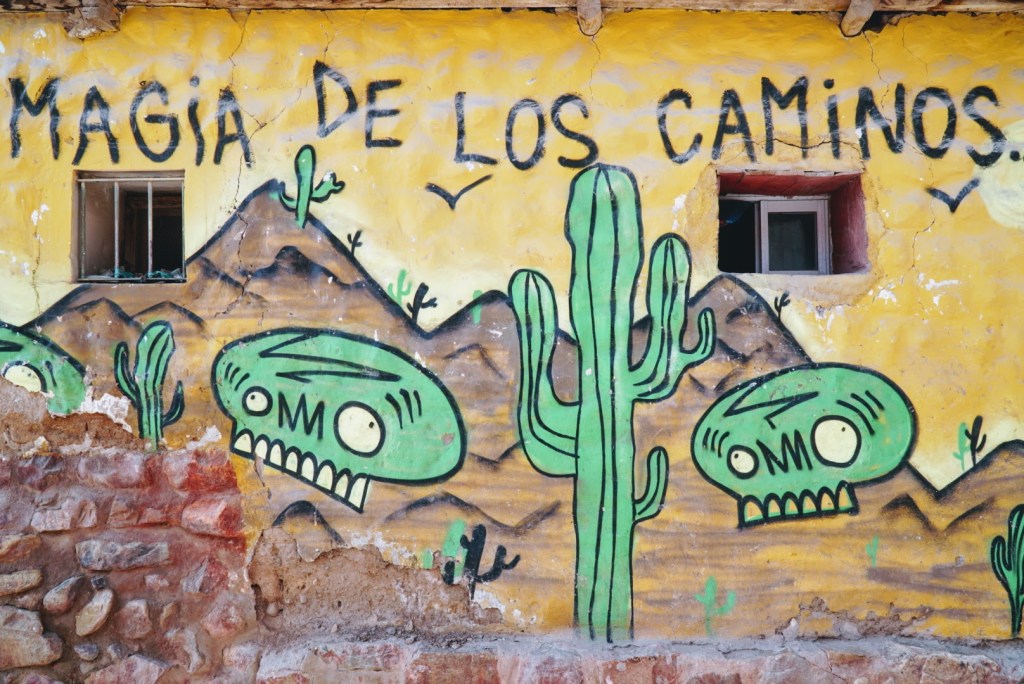
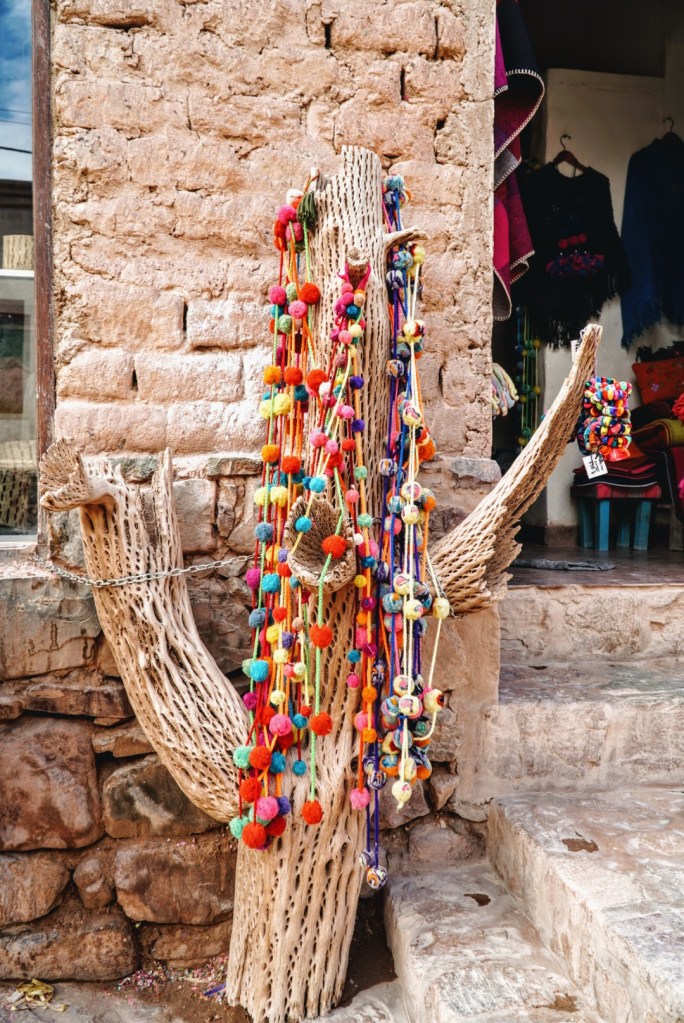
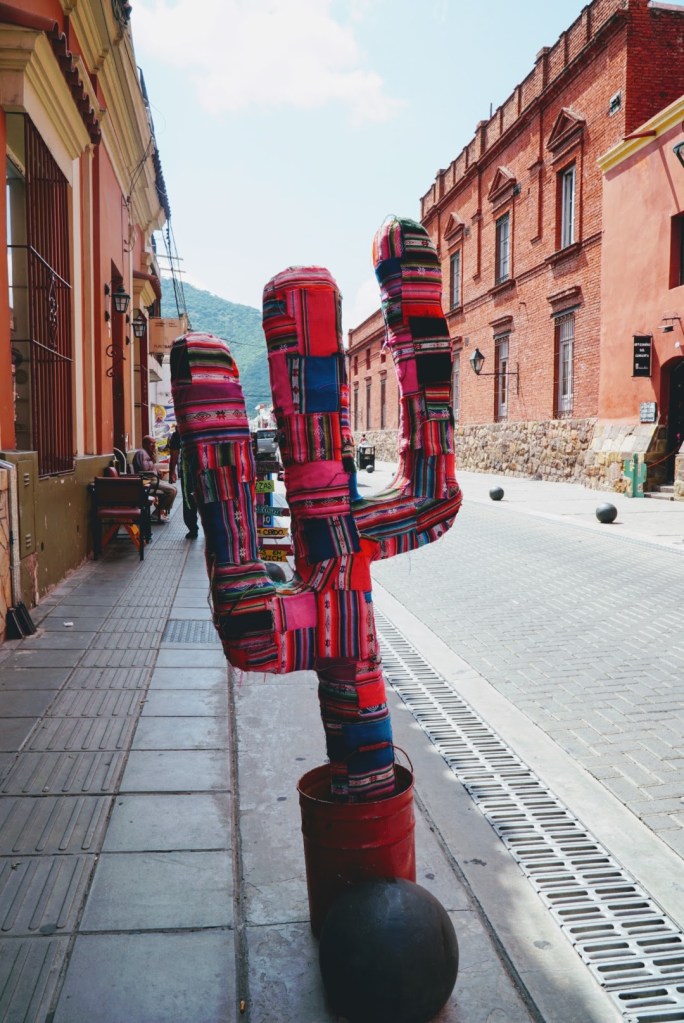
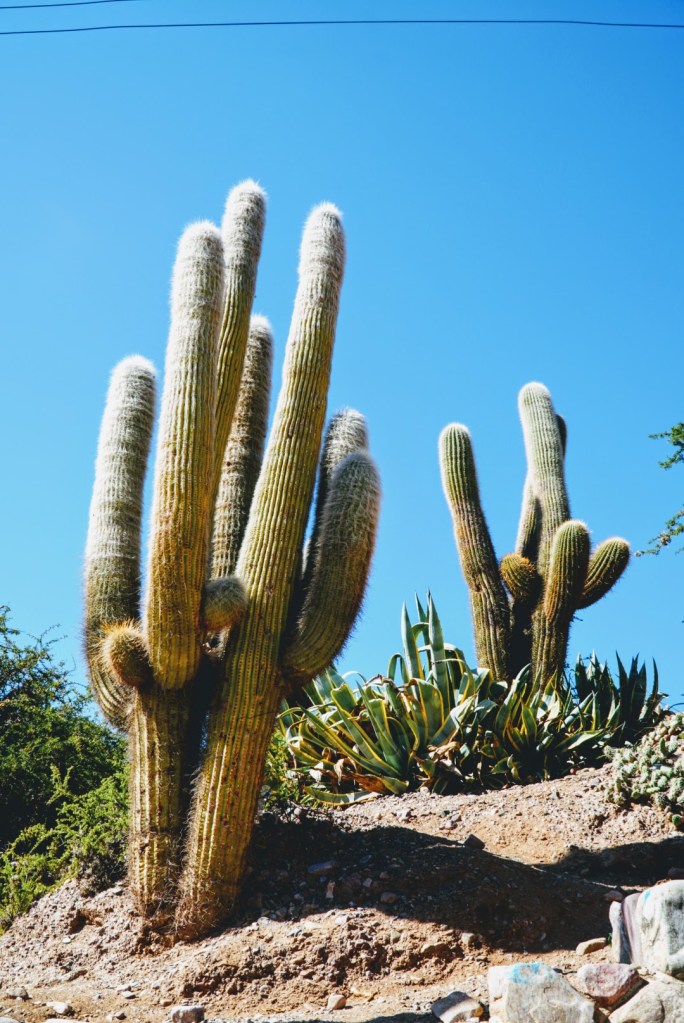
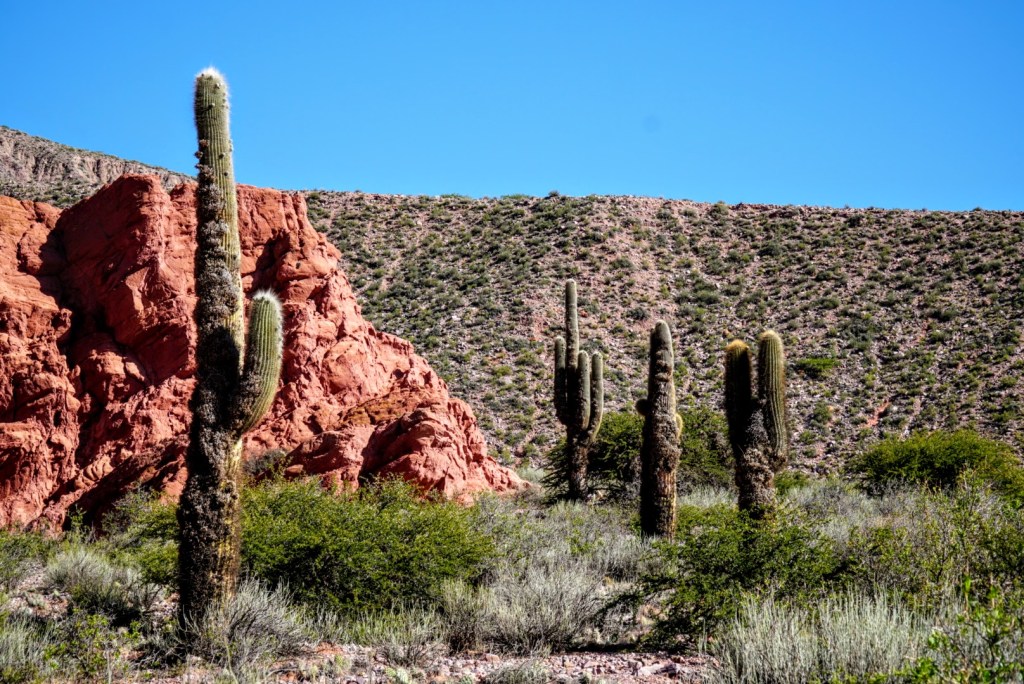
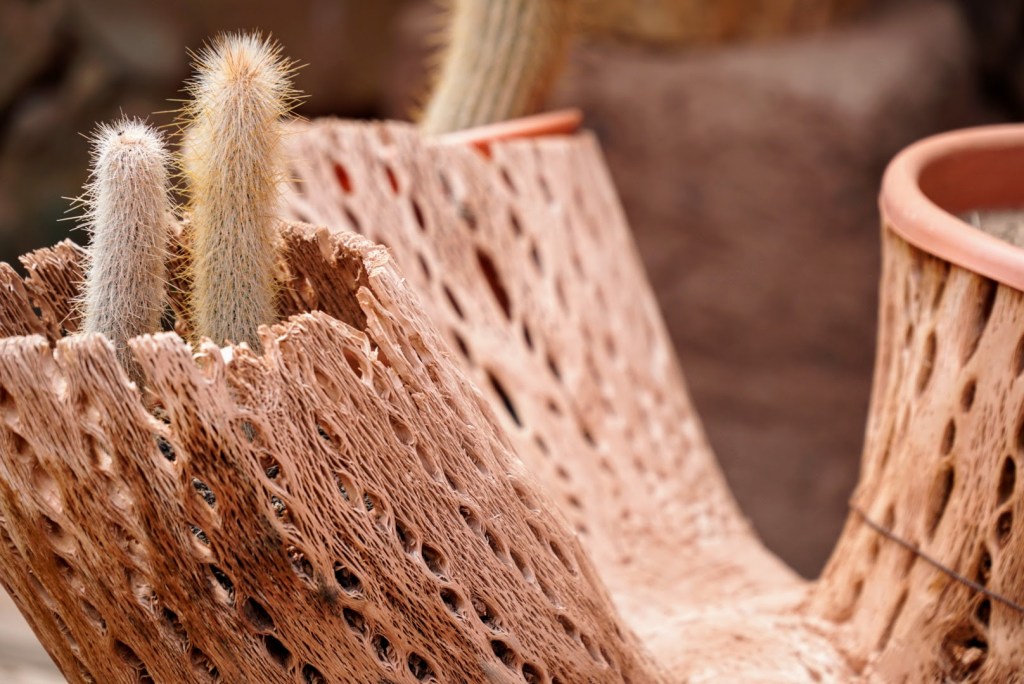
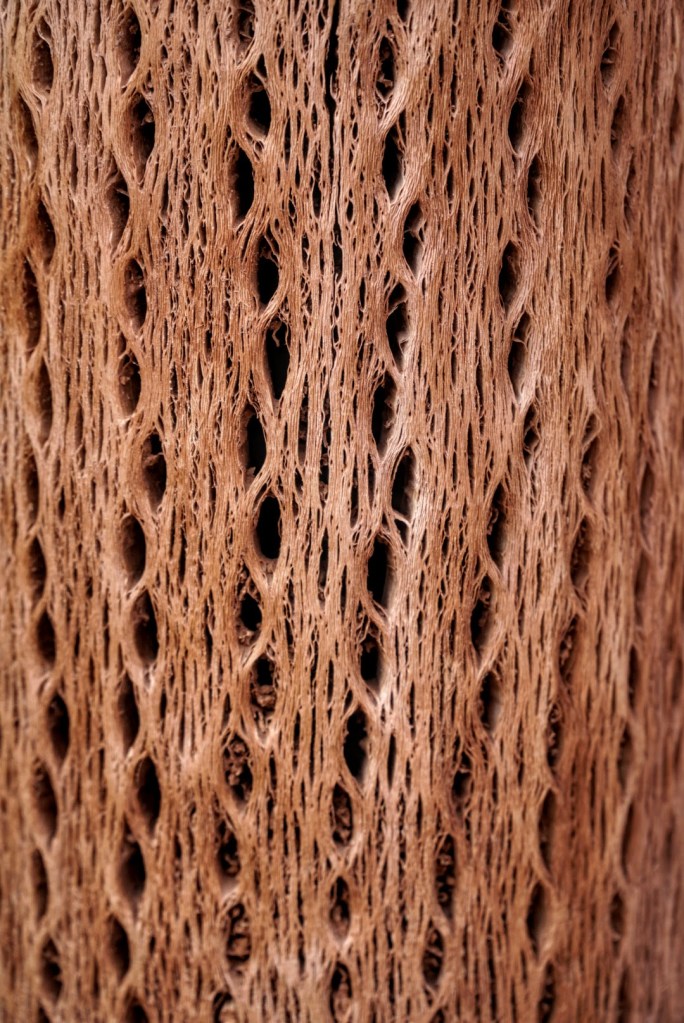
The cactus that are native to the region are used for wood! We saw them line ceilings, walls and of course all sorts of decorations. Its got this incredible texture!
We have been absolutely blown away by the beauty of Argentina, and the uniqueness of the scenery. The culture also took us by surprise. When you think of Argentina you think of the European influences in Buenos Aires and in the Lakes, but in the North the indigenous culture is so rich and vibrant. We absolutely loved seeing the traditional clothing and dances. Can’t wait for part 2 of our road trip to the Salta wine region!
 Far Away From Home